Thermometry in silos: how to protect grain from spoilage
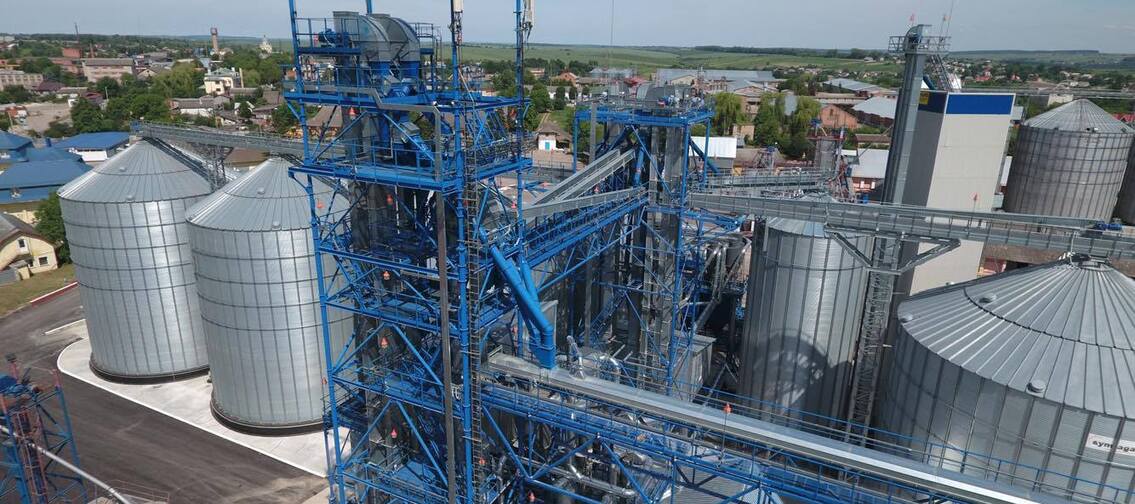
Thermometry is a tool in the storage system that helps prevent product spoilage before any visible problems occur. Monitoring the temperature in the silo allows you to detect anomalies at an early stage, respond quickly to the risks of self-heating and minimize losses. For elevators that handle large volumes of crops, temperature control is a safety standard.
Why grain temperature control is important
The temperature of grain storage is a crucial factor in product stability. Even if humidity is maintained, without precise temperature control, products can overheat in the deeper layers. This triggers a number of undesirable processes, such as increased microbial activity, mold development, and loss of germination.
Risks without silo thermometry
The temperature inside the silo is constantly changing. The difference between day and night air, seasonal fluctuations, and the density of the massif all cause a localized increase in the temperature of the grain layer. Without a thermometry system, such changes go unnoticed. As a result, self-heating is triggered, which leads to a decrease in quality.
Optimal grain storage temperature
The temperature of grain during storage depends on the type of crop, its moisture content, intended use and season. The optimal temperature for storing most grain crops is usually between +5 and +15 °C. In winter, this figure may be lower, but without regular temperature measurements, such stability is unattainable. The situation is especially critical for seeds, where even a slight change in temperature affects germination.
Silo thermometry systems
A modern silo thermometry system is based on precise digital equipment that can detect even minimal changes. It operates continuously, in real time, and is integrated into the overall automation logic of the elevator.
Thermocouples and temperature sensors
The system is based on thermocouples or digital sensors placed in special suspensions. They are installed vertically in the grain mass, which allows the temperature to be recorded in several layers – above, in the center and below. Air and product temperatures are measured regularly, with a set frequency. The obtained data is transmitted to the control system, where the operator can track the dynamics of indicators.
Integration with the elevator control system
The smart.thermometry system supports integration with automated process control systems (APCS). This allows you to:
- receive temperature reports for each silo;
- see temperature trends;
- identify potentially dangerous areas before spoilage;
- generate reports for audits and inspections;
- predict the need for ventilation or movement.
Such a system from Grain Capital significantly reduces the human factor and ensures accurate decision-making.
Methods of responding to rising temperatures in silage
When a dangerous temperature change is detected, it is important to have a clear algorithm of actions. The most common methods of response:
- launching an active aeration system;
- moving crops to another level or to another silo;
- local zoning and checking the physical condition of the products;
- changing storage regimes throughout the silo.
Monitoring the temperature of the grain storage facility allows you to do this at an early stage, when losses can still be minimized. If the temperature exceeds critical limits, the system sends an alarm to avoid emergencies such as fire or mass spoilage.
ROI of thermal control systems
Investments in thermometry pay off within the first season. The system avoids typical losses - from loss of germination to complete batch destruction. The early detection of problems reduces the need for re-drying, relocation or urgent measures. In addition, the system provides an analytical basis for optimizing energy consumption and planning operations.
Thermometry is a sustainable storage tool that increases the reliability of the elevator, ensures product quality and minimizes the human factor. Without it, no silo can guarantee the stability of the entire storage process.