Grain elevator automation — a time-tested classic or new solutions: what to choose today
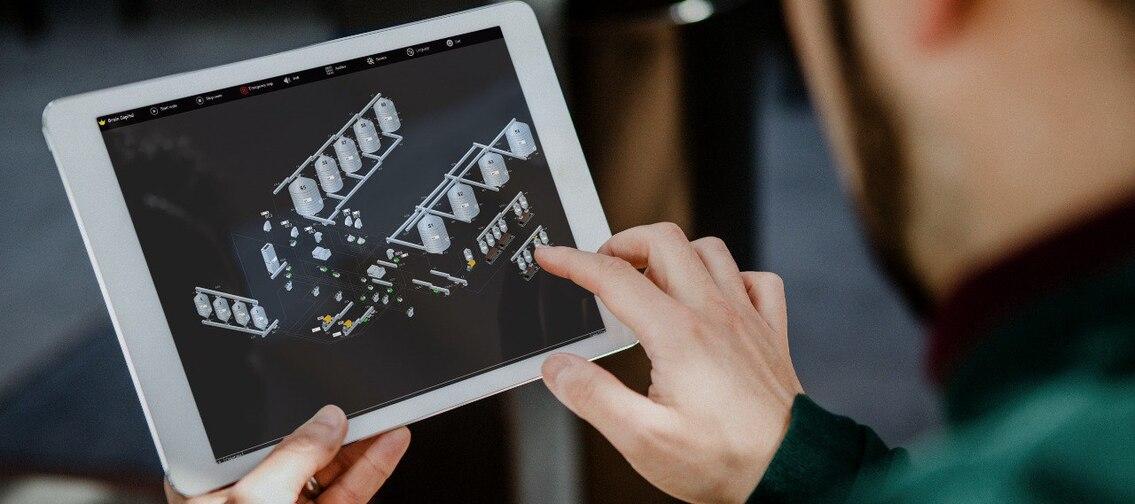
Authors: Igor Gaponiuk, Development Director at Grain Capital; Sergii Artiushkin, Head of R&D at Grain Capital.
The demand for industrial and business automation of grain elevators in Ukraine has increased significantly. The current state of the elevator industry creates a complex of problems critical for business operations and management. The reasons are clear: external risks have risen, internal errors have become unacceptable, and the shortage of qualified personnel only intensifies the need for automation.
More and more enterprises are approaching us with the question of how to achieve transparency, predictability, and stability in production processes.
However, it is difficult to talk about stability and transparent operational control without automated systems.
If human testimony is the primary source of information at an enterprise, the objectivity of such assessments will always be in question.
As a result, from production forecasting to personnel performance evaluation, one must rely on the human factor — the awareness, loyalty, and impartiality of employees.
Sometimes this scheme works for small elevators: team cohesion, well-established communication, and high motivation compensate for the lack of automation.
But there is a "but" — the system is only as effective as the team is complete and well-coordinated.
In a few sentences, automation is a mechanism that makes responsibilities clear, tasks standardized, and deviation signaling immediate. It eliminates dependence on "unique" human abilities and creates a stable, transparent management system.
If you are currently facing the task of automating aspects of your elevator business, we hope this article will help you find:
- cases similar to yours;
- solutions that fit your needs;
- project cost estimates;
- return on investment (ROI) factors.
Experience in project implementation over the last 4 years has allowed us to conventionally identify three main types of elevators and the problems owners face today.
Case 1. Grain elevator on relay logic — when everything depends on a single specialist
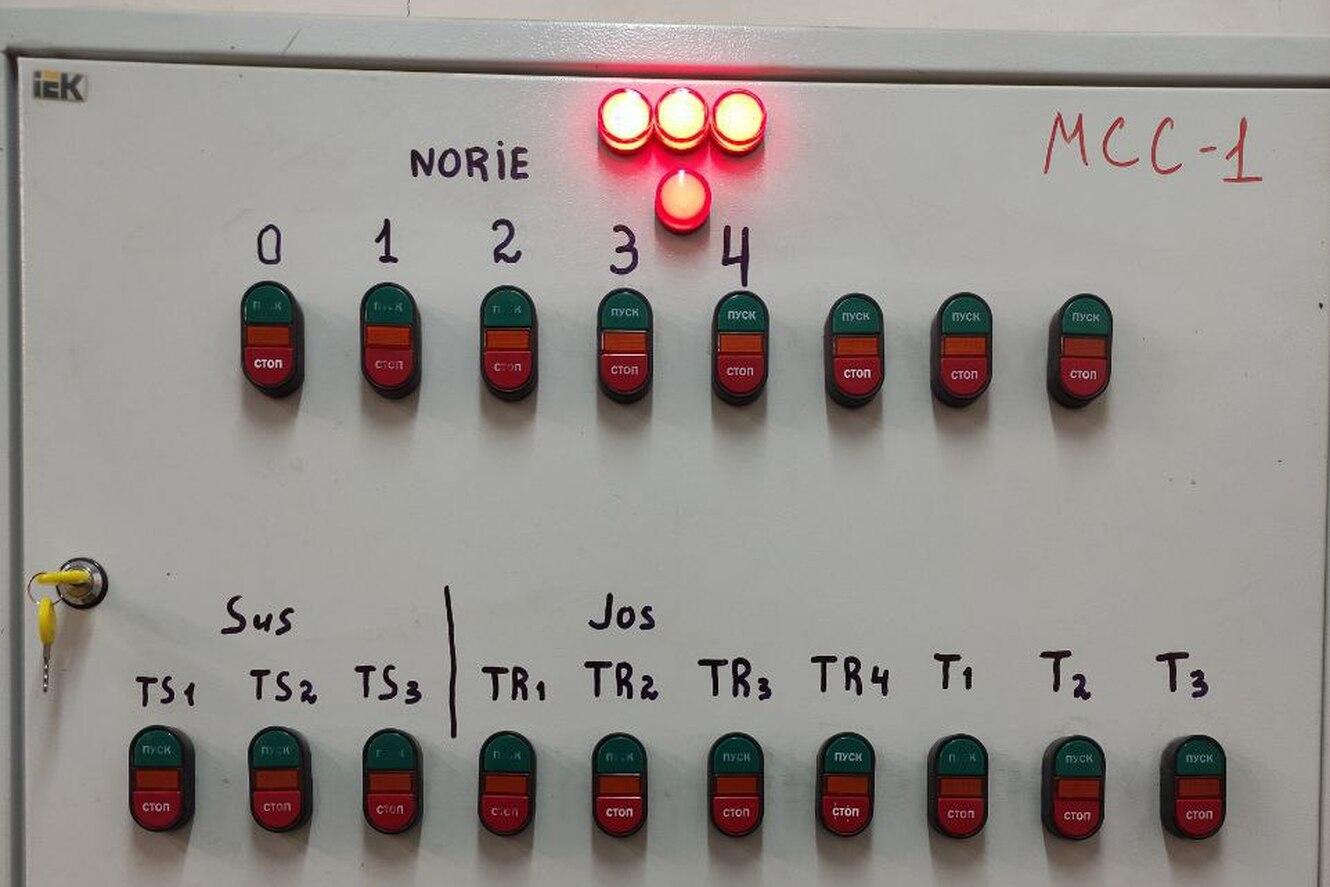
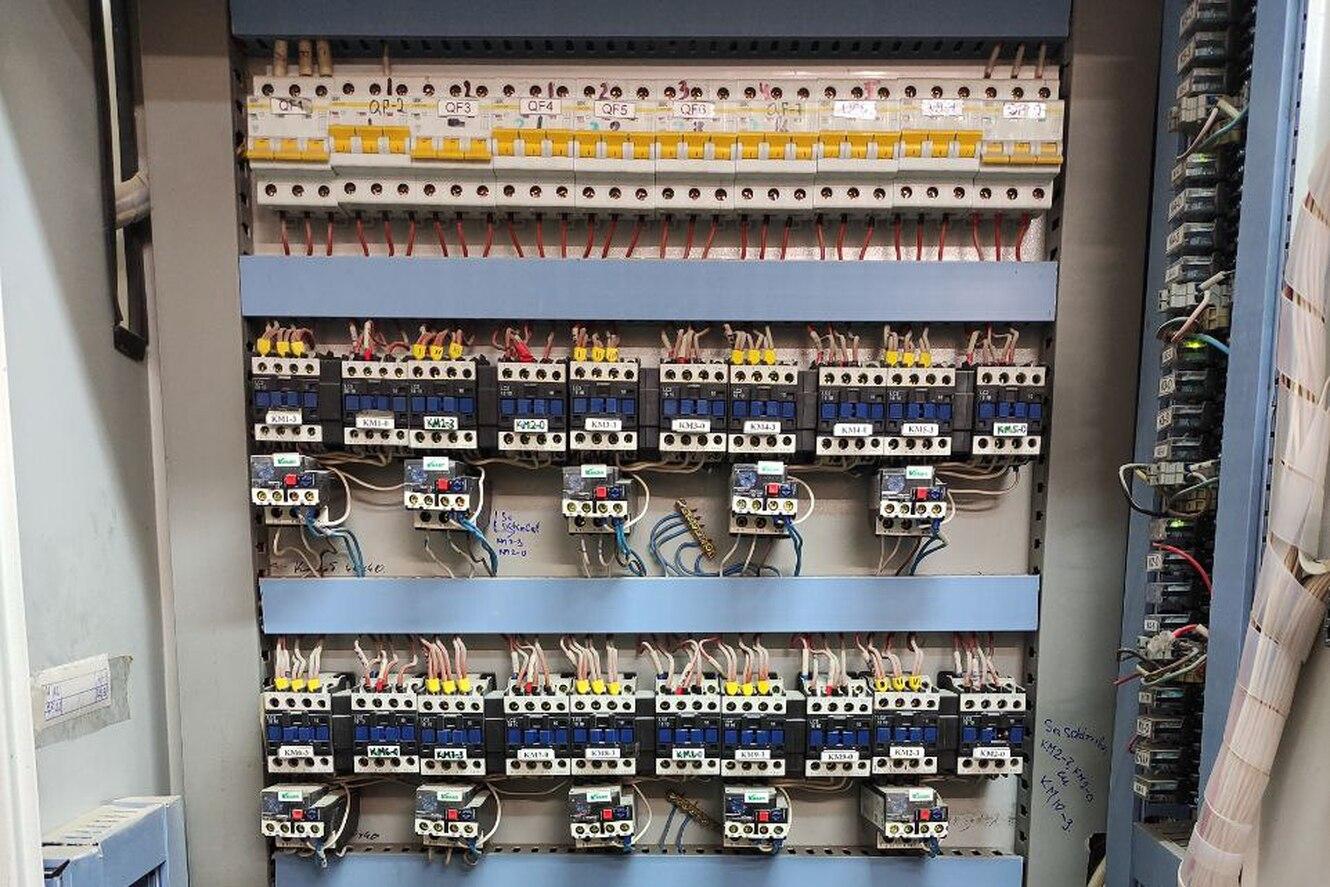
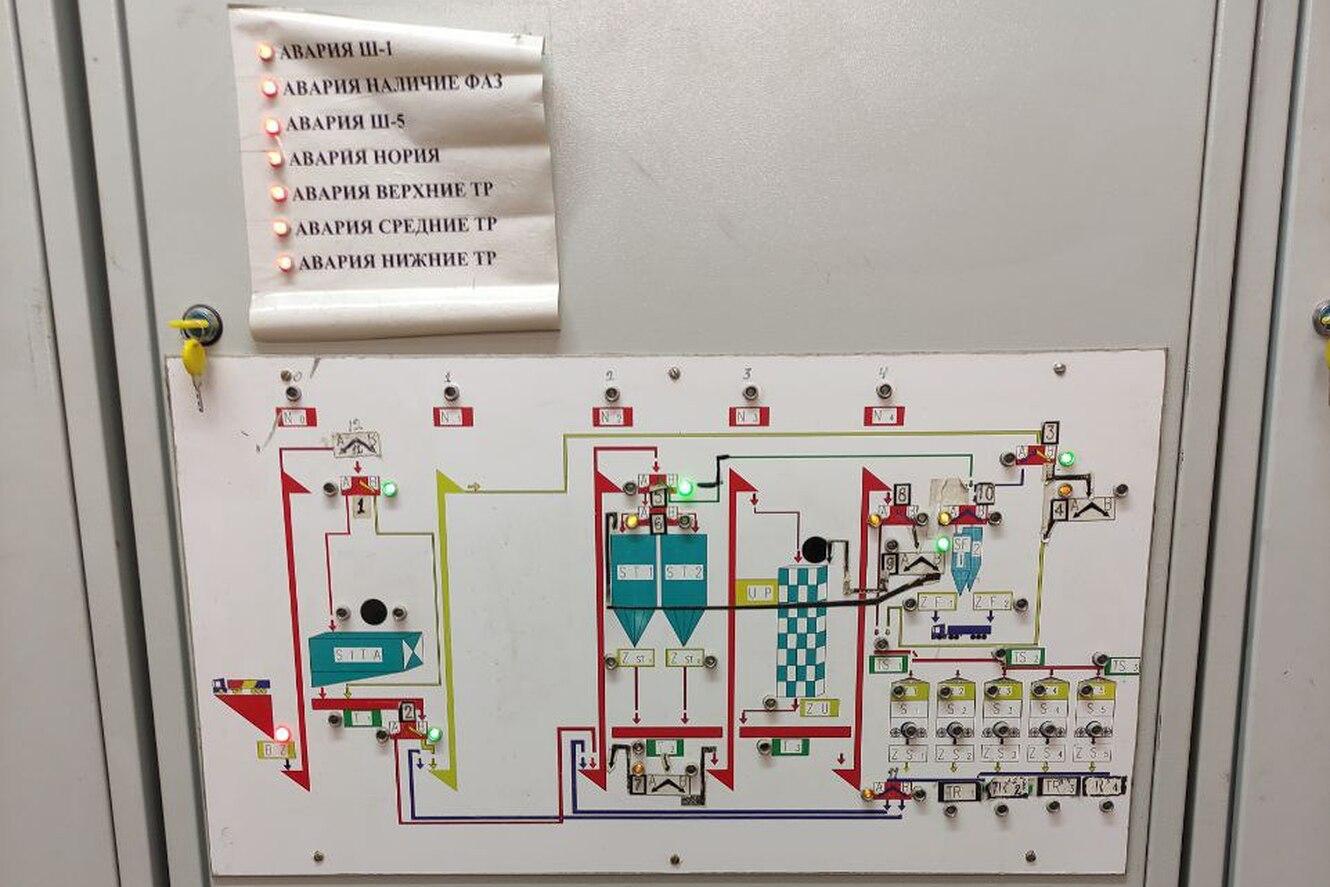
On some grain elevators, control is still carried out using relay logic. Formally, the system is "automated," but in reality, everything depends on a single operator who knows what to start and where.
Main Risks:
- Personnel: the loss of an experienced specialist puts the entire system's operation at risk.
- Safety: equipment has often been updated without integration into the control system. There is no real-time monitoring of transport mechanisms.
- Operational Efficiency: every route change or line startup requires manual intervention.
- Loss of Customers: loyalty largely depends on transport processing time and predictability. Delays during grain receiving or dispatch negatively impact the business.
- Payroll: the lower the level of automation, the more staff is required.
- Operating Expenses: planned expenses are saved funds. Without automatically collected statistical data, it is impossible to create an informed maintenance schedule with a correct list of necessary components and materials.
- Control and Integration: low level of controllability and transparency in production processes and personnel management. Automatic data integration into the ERP system is impossible.
Implementation and Typical Solutions
The first step is an audit of existing systems: assessing the condition of control and management systems. After that, typical steps are proposed:
- development of circuit solutions;
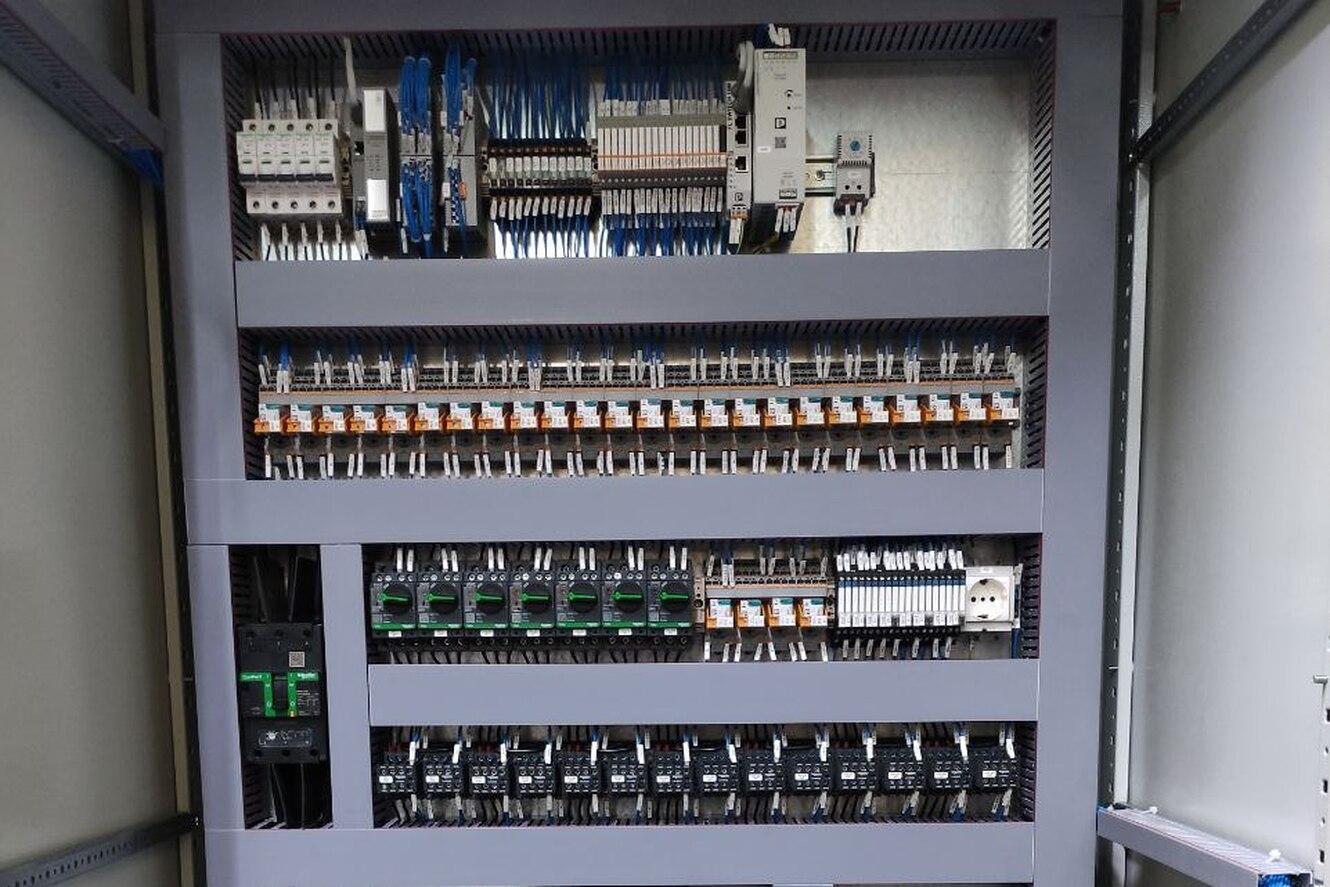
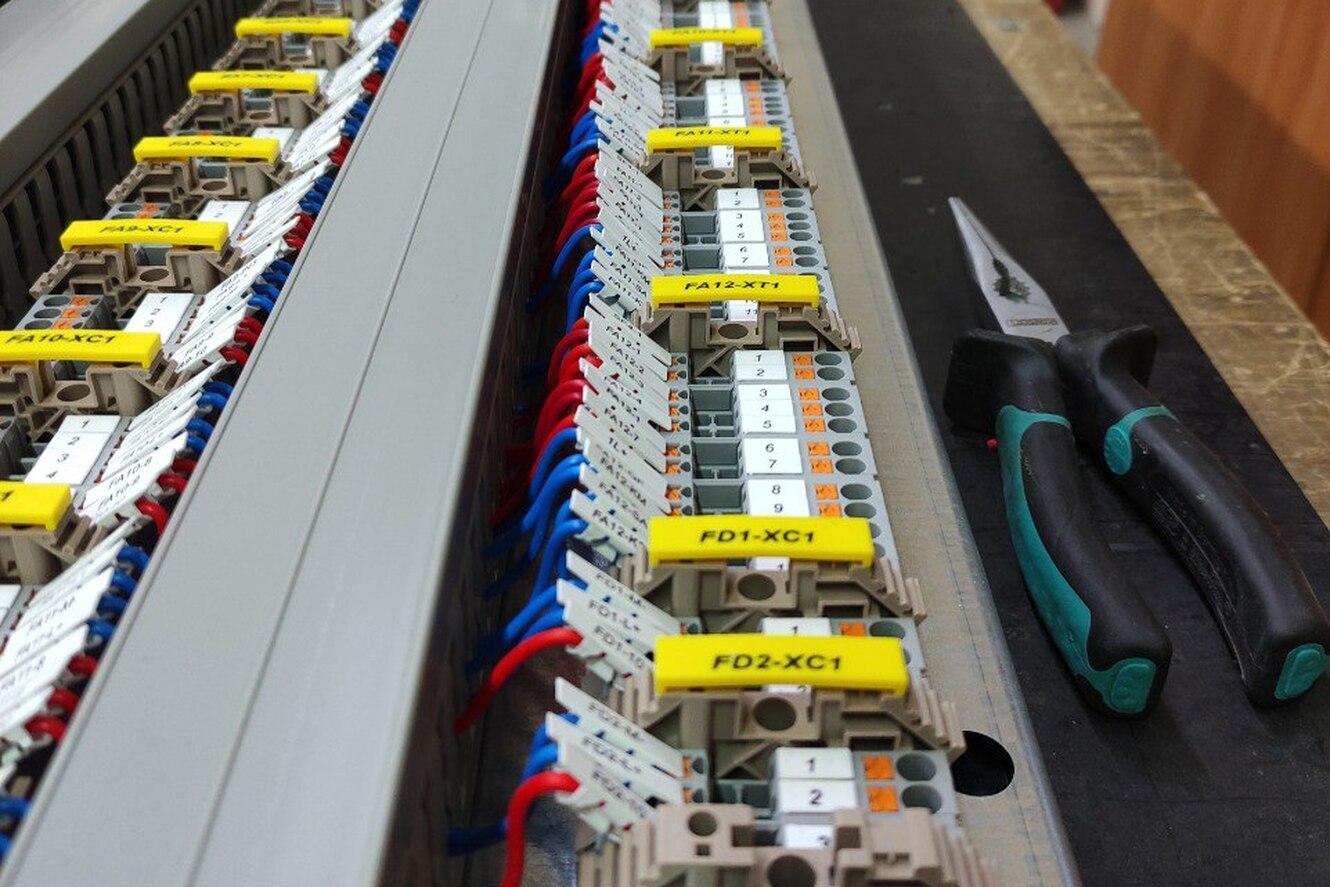
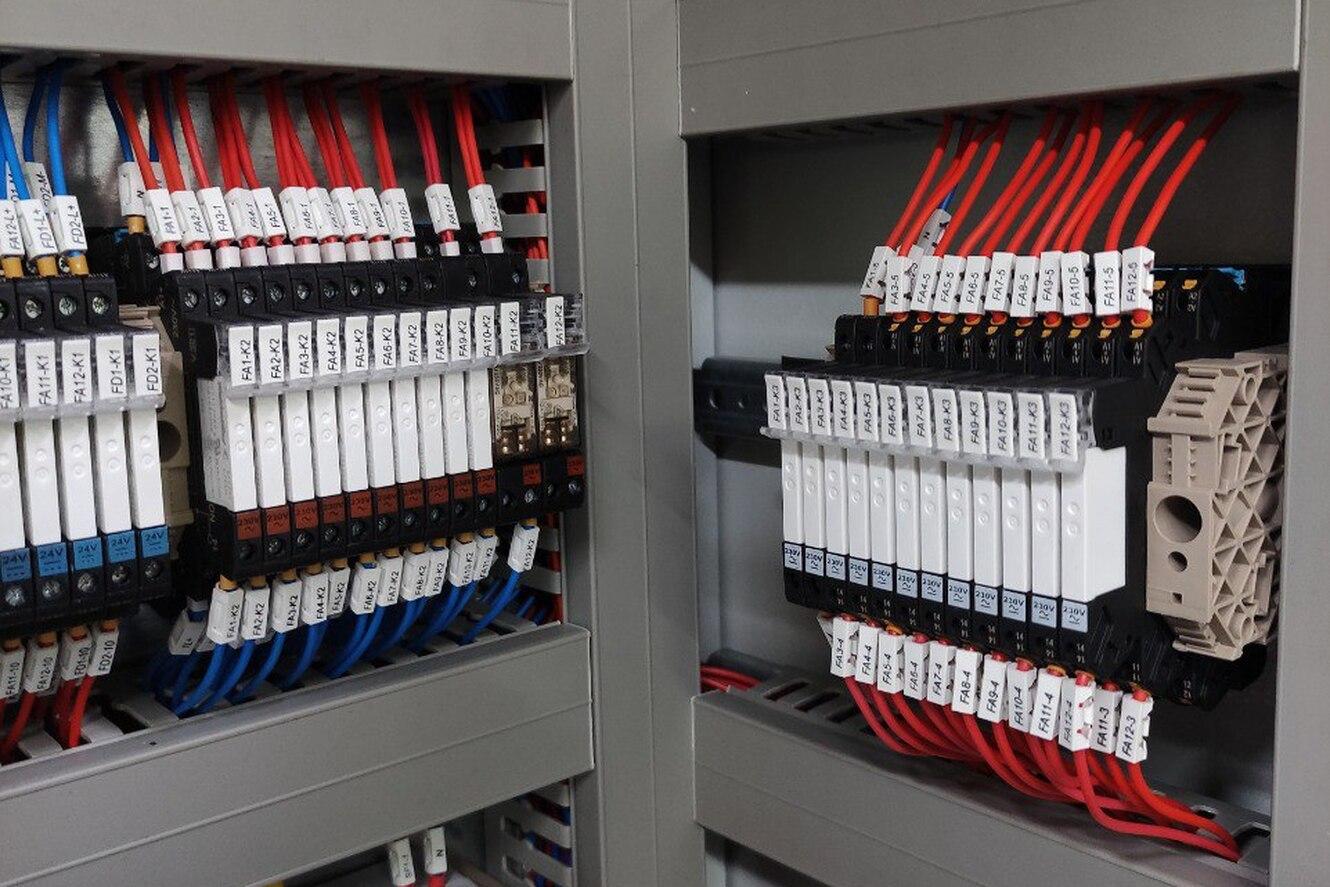
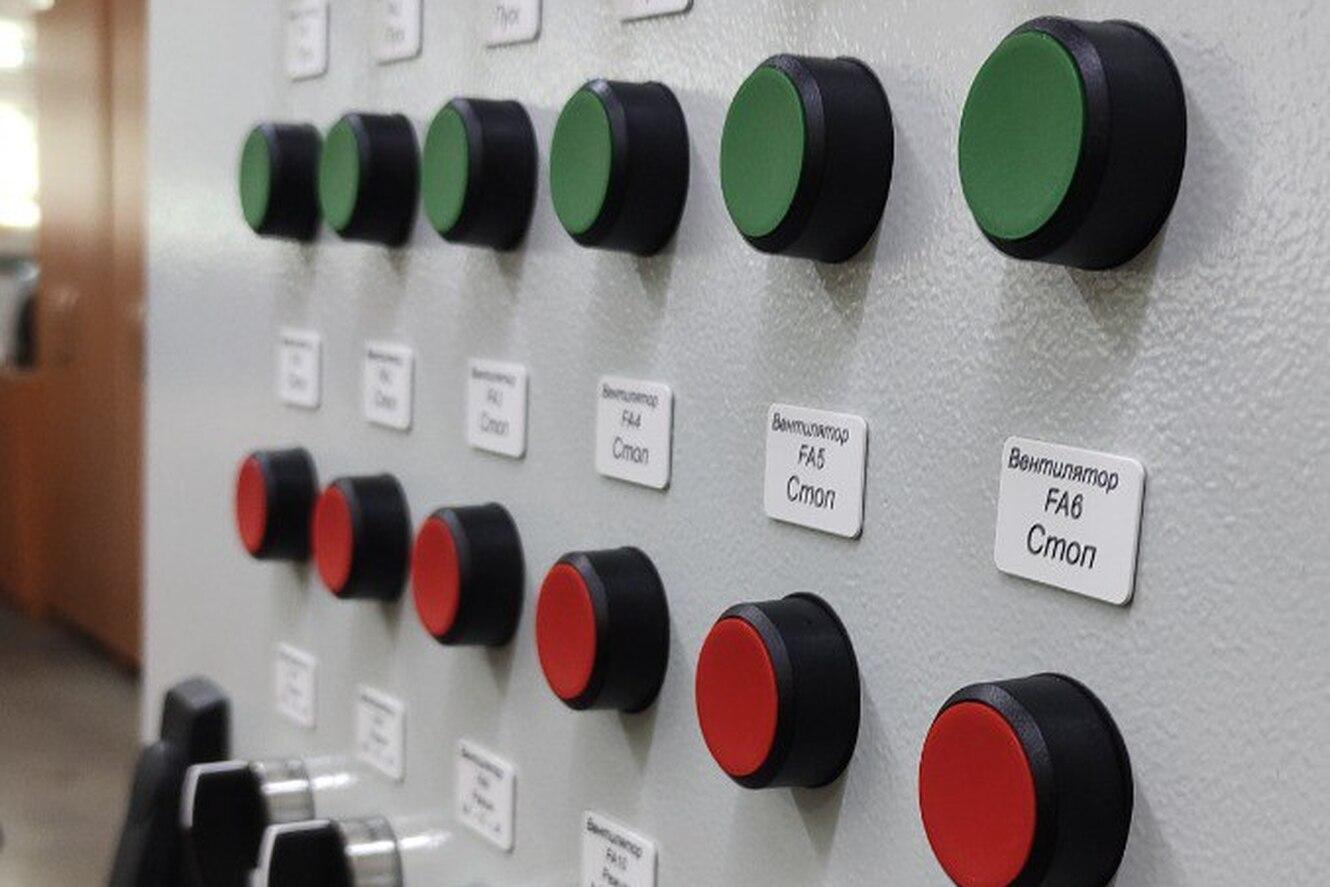
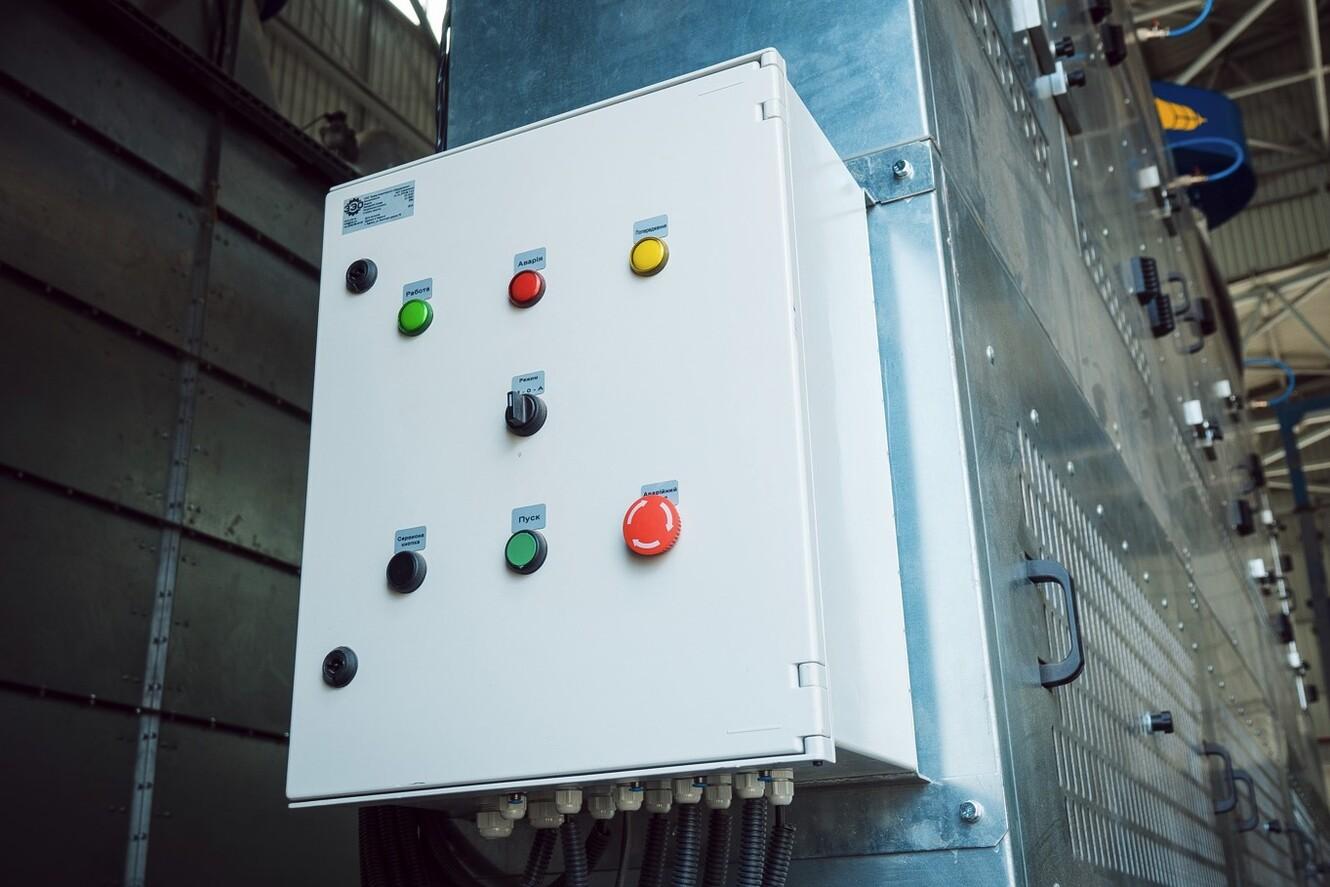
- replacement of existing relay cabinets with modern electric drive control cabinets;
- installation of a PLC cabinet;
- cable laying and connection (if there are unconnected sensors);
- development and deployment of a SCADA system;
- training and commissioning.
The result of implementing a modern automation system is failure-free automatic operation and reduced risk of human error due to protections, interlocks, and warnings. Additionally, there is a tangible economic effect for the enterprise in the future: payroll optimization, predictable costs, and transparent management.
Requirements and Constraints
- Budget is a key factor for small businesses, as the estimated cost of an effective project involving the replacement of all existing equipment is approximately 60-70 thousand euros. The final budget is only set after investigating the current state and defining key needs and constraints.
- Implementation timeline is an insignificant constraint; usually, low activity during the off-season allows (with early ordering) all work to be completed in 30-40 days. Full elevator shutdown for up to a week is possible if necessary.
Case 2. SCADA with a "history" — when the system exists but doesn't work properly
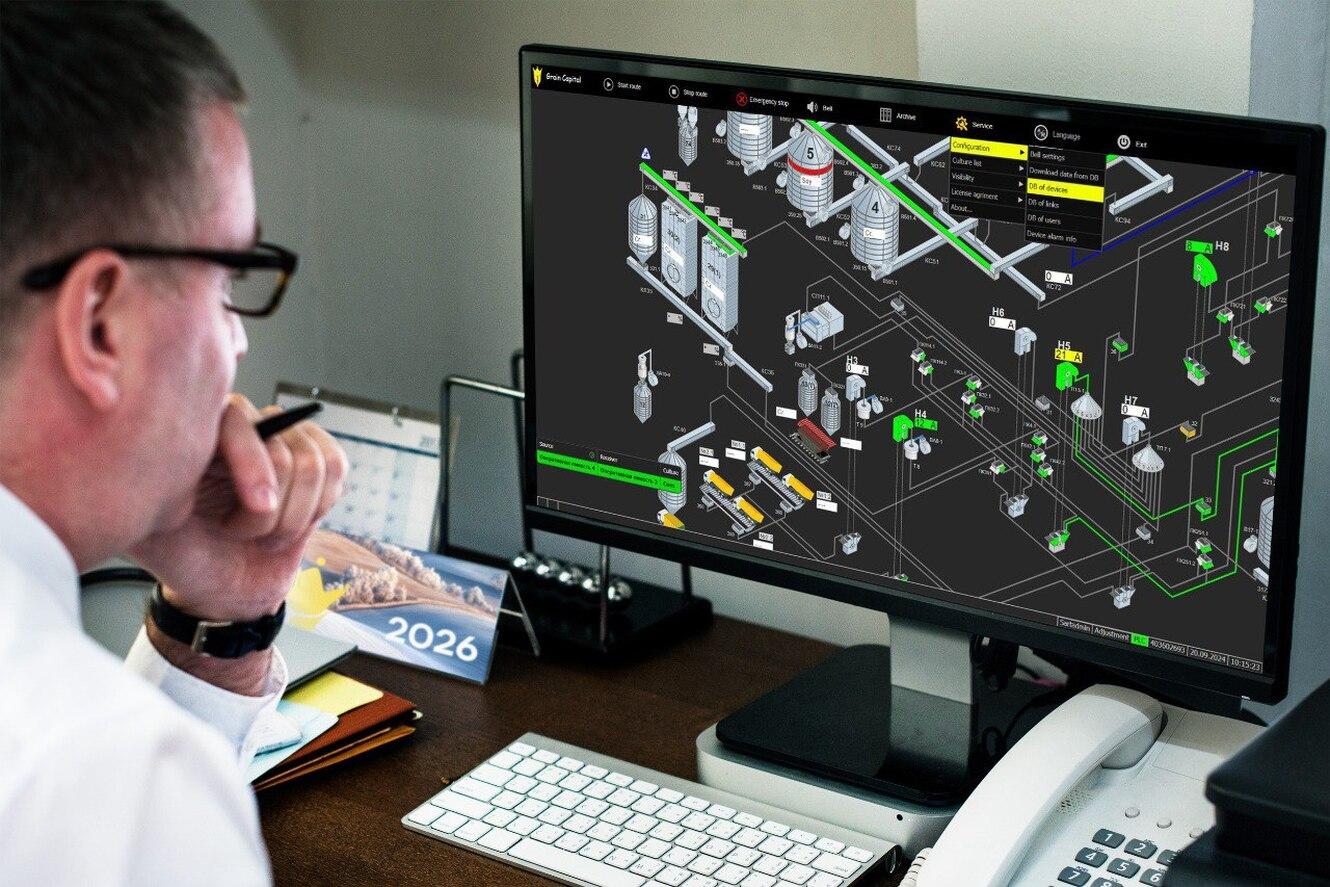
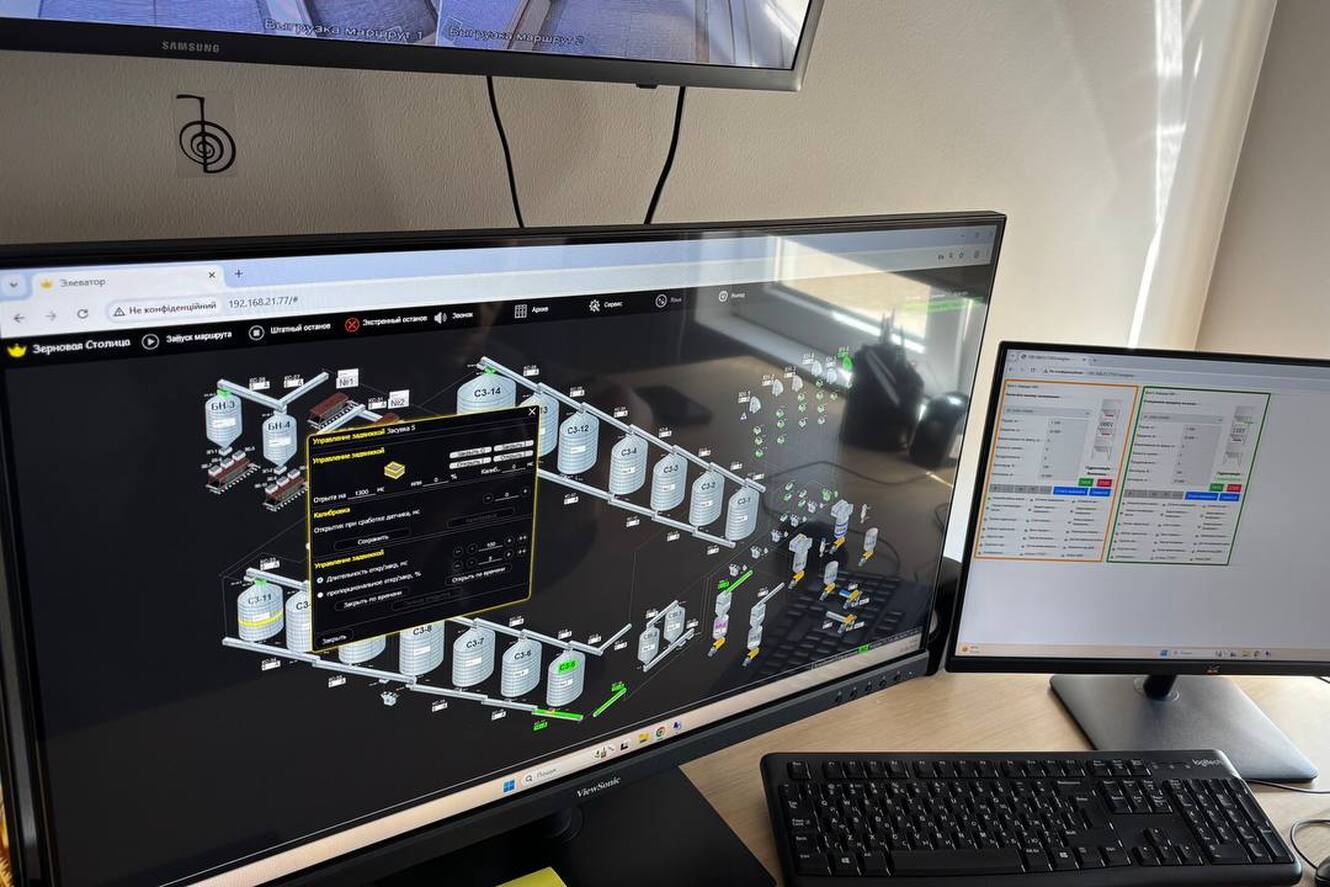
A problem familiar to many: SCADA seems to be installed, but routes do not work automatically, mimic diagrams are inconvenient, some units of equipment are started manually, and on top of that, there is no technical support.
"In our practice, there was a case where the intake pits on the mimic diagram were labeled only with a marker on the screen," says the Head of RnD, S.M. Artiushkin.
Such systems are most often created by integrators without deep experience in industrial automation, who usually allow for some "savings" at the beginning.
Main Risks:
- Long training periods for new operators due to a confusing and inconvenient interface.
- Impossibility of SCADA evolution during reconstructions or the construction of a new stage.
- Losses due to downtime and a high probability of accidents.
- Risks of using unlicensed software.
- Limited development: lack of integration with external systems such as accounting systems, ERP, or BI.
Implementation and Typical Solutions:
- checking existing project documentation for completeness and compliance with the actual implementation;
- checking the state of the industrial control system;
- checking PLC compliance with requirements. If necessary — PLC replacement;
- development and deployment of the SCADA system;
- commissioning, testing, and training.
Budget and Effective Project: approximately €22,000–€29,000.
Result of Investments:
- minimal staff training period (up to 1 week);
- no risks regarding the legality of the software used;
- reduced losses from downtime thanks to reliable support;
- moderate cost of SCADA modifications during reconstructions;
- readiness for integration with ERP and other systems;
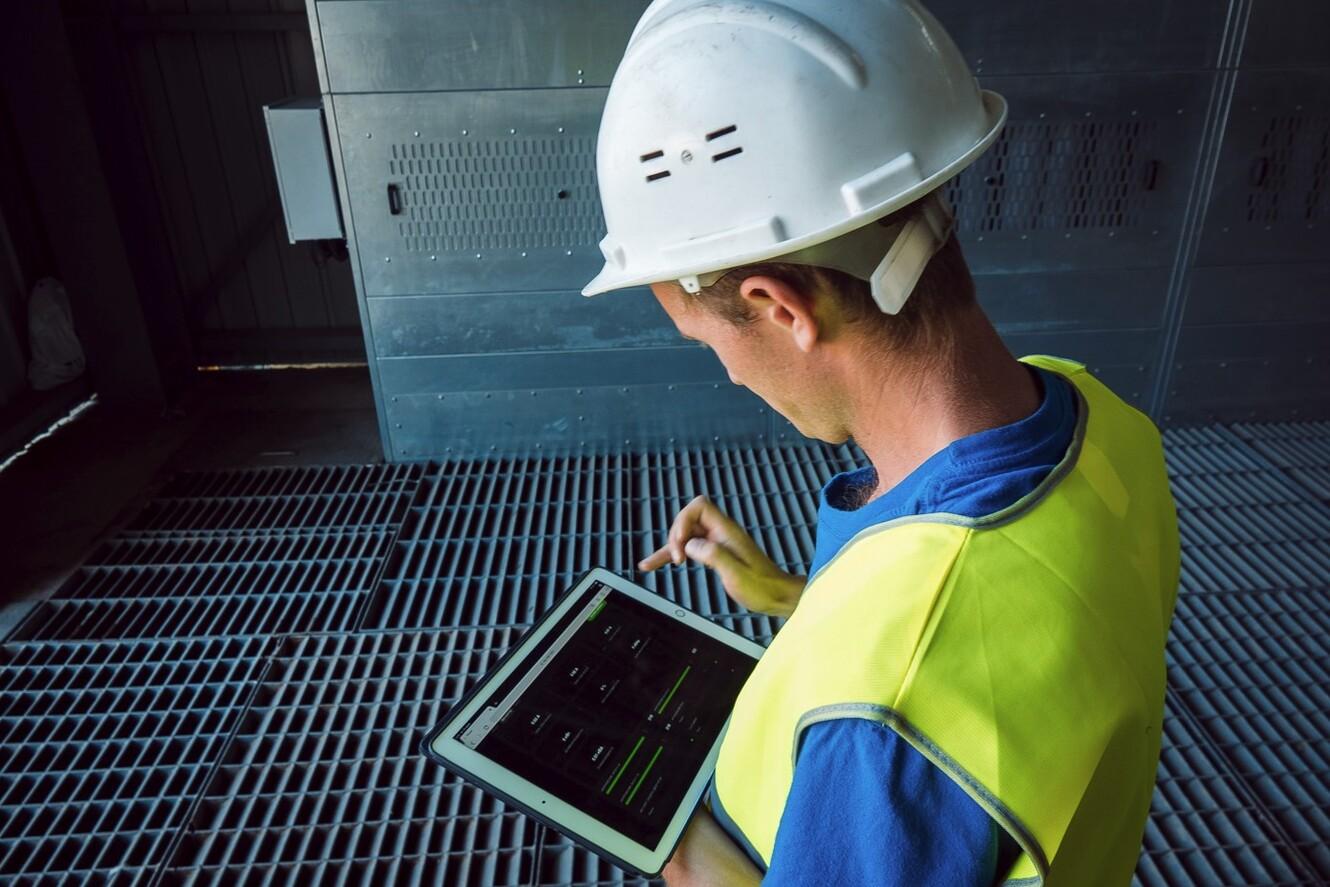
- remote process monitoring.
Case 3. Burdensome Diversity — when every grain elevator has its own logic
"IT zoo" or "System Zoo" — we didn't invent this expression; unfortunately, it's a common situation where a parent company's enterprises have historically ended up with different SCADA systems running on equipment from various manufacturers.
This is more frequently encountered in large companies and agricultural holdings that have acquired grain elevators with diverse industrial automation systems.
Main Risks:
- Losses on spare parts (SPTA): different hardware brands mean a lack of a unified component stock and no bulk discounts from suppliers.
- Training and motivation: differences in diagrams, interfaces, and operational logic complicate centralized training and personnel performance evaluation.
- Maintenance and repair: different principles of power supply and automation systems prevent the formation of universal repair crews.
- Scalability: standardized solutions — from design to installation and software — are always cheaper and faster to implement.
- Consistent development: a unified strategy allows for accumulating experience and improving solutions, whereas diversity makes analytics impossible and reduces investment efficiency.
- Integration: uniting a "zoo" into a single ERP system is difficult, expensive, and time-consuming. Without automatic data transfer, ERP or analytics remain "blind" systems.
Implementation:
- risk and loss mitigation: gathering project business requirements and the KPIs to be measured;
- creating and approving standardized technical solutions according to the set business requirements;
- selecting a grain elevator for a pilot project and conducting its assessment;
- list of works — depending on the elevator's condition and requirements;
- launch into productive operation;
- supervision (usually based on season results), evaluation of KPI achievement;
- adjustment of business requirements and technical solutions based on supervision results;
- the next grain elevator.
Budget and Effective Project: depending on business requirements and selected technical solutions. Starting from €30,000 (as in the previous case), representing minimal equipment replacement and minimal software changes.
Result of Investments:
- mitigation of risks and losses: according to the list in this case. Naturally, each project must define specific KPIs (percentages, timelines, finances) for every factor being addressed;
- business controllability: the technological process, the "electrocardiogram" of the grain elevator — is now always on the monitor;
- investment success: lies in justification and regular performance reviews. Instead of a "miracle" for all the money in the world — step-by-step investment, incremental development, performance evaluation, and reassessment of the means to achieve goals.
Summary
Achieving good results is possible even with established industrial automation products. SCADA systems developed by professional integrators and equipped with hardware from world-renowned brands will continue to perform their direct duties—managing the technological process.
But is this enough today? Perhaps, but it all depends on the goals and development strategy of your business. In our view, the future belongs to control systems that offer integration with external systems and ensure real control, manageability, and predictability of the business.
Grain Capital has already updated its SCADA; it meets modern requirements and integrates with ERP and MES systems, but that is a topic for another post. Follow the news, book a demonstration, and meet with our specialists—we will be happy to showcase our achievements.