How aspiration automation reduces dustiness

What are the advantages of automating aspiration systems
Dustiness at elevators and grain processing plants remains one of the key production problems. It affects explosion safety, staff health, equipment wear and tear, and compliance with environmental regulations. That's why more and more companies are considering smart approaches to dust removal management, where automation is an optimization tool.
Manual start of aspiration vs. automated start
There are many grain elevators that manually operate their filtration plants on a daily basis. For enterprises that do not operate every day and have 1-2 filtering plants, this is a perfectly normal practice. However, for medium and large enterprises with a full workload and several dozen plants, manual control is already becoming a bottleneck in the production process and carries a number of risks:
- dependence on the human factor;
- delay in starting or stopping aspiration;
- Lack of timely signaling of the filter status;
- lack of coordination between the units of aspiration equipment;
- lack of feedback signals between the transportation equipment and the aspiration system;
- untimely start-up, which leads to energy overruns and process disruption;
- reduced dedusting efficiency and increased energy consumption due to dust accumulation in the filter elements.
How aspiration system automation works in practice
To understand what automation in dust removal means, it is worth considering its architecture.
A typical aspiration system with automation elements includes:
- filter control unit;
- pressure and vacuum sensors (connected to the air duct system);
- differential pressure sensor.
The center of the system is the filter control unit (FCU), which monitors the condition of the filters using pressure and differential pressure sensors and controls the valves, automatically starting cleaning cycles at the appropriate time. This architecture helps to maintain stable operation of the plant, optimize energy consumption and reduce manual intervention by operators.
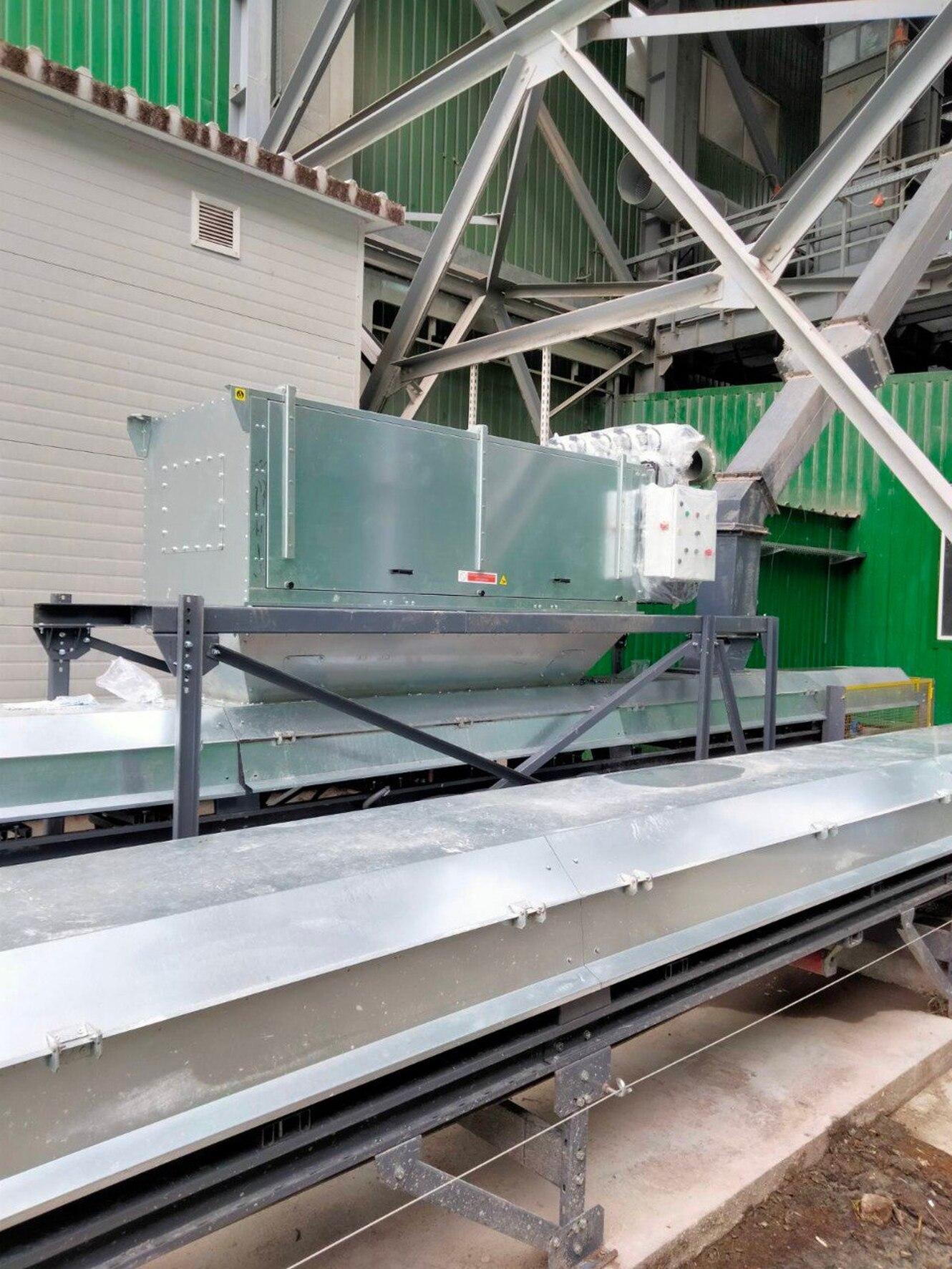
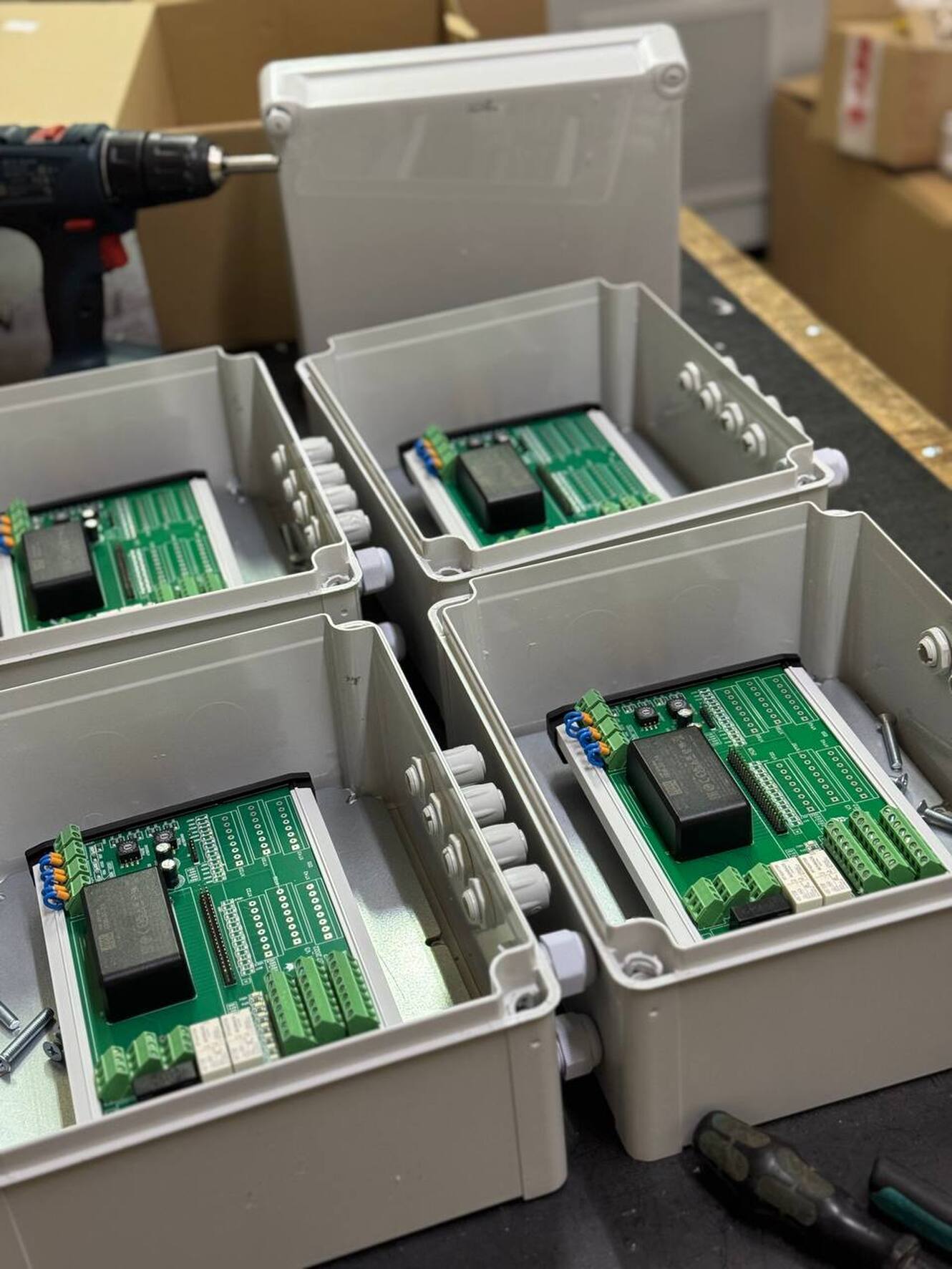
The cost-effectiveness of technical solutions is determined by their suitability for the task. In most cases, the functionality of the Grain Capital BCF is sufficient to control aspiration equipment.
This simple and reliable solution, which is favorably distinguished by its low cost in comparison, has recently received additional communication capabilities. And now it can be a full-fledged participant in the data exchange in the overall industrial automation system of the enterprise.
For example, in the “smart.scada” system, which provides automatic remote control of aspiration equipment.
The practical effect of aspiration
Grain Capital's modern filtering plants have a high air purification efficiency of 99.6%, reduce explosion hazards, and automation also plays a role in this.
Automation allows you to control the filter cleaning cycle directly according to sensor readings: a differential sensor measures the pressure difference between the “clean” and “dirty” chambers, transmits a signal to the filter control unit, which, in turn, starts the valves at the right time.
- timely cleaning of filters and stable operation of the aspiration system;
- optimization of energy consumption and reduction of energy overruns;
- reducing equipment wear and extending its service life by 15-20%;
- controlling the risk of accidents and improving personnel safety;
- coordinating the operation of all valves and ventilation units, even at high enterprise load;
- improving employee efficiency by reducing manual intervention.
In the practice of the grain industry, it is important to understand that the automation of aspiration systems is not a fully autonomous operation without an operator, but a combination of sensors, software and control regulations aimed at safety, energy efficiency and optimization of production processes.