Where and why broken grain appears
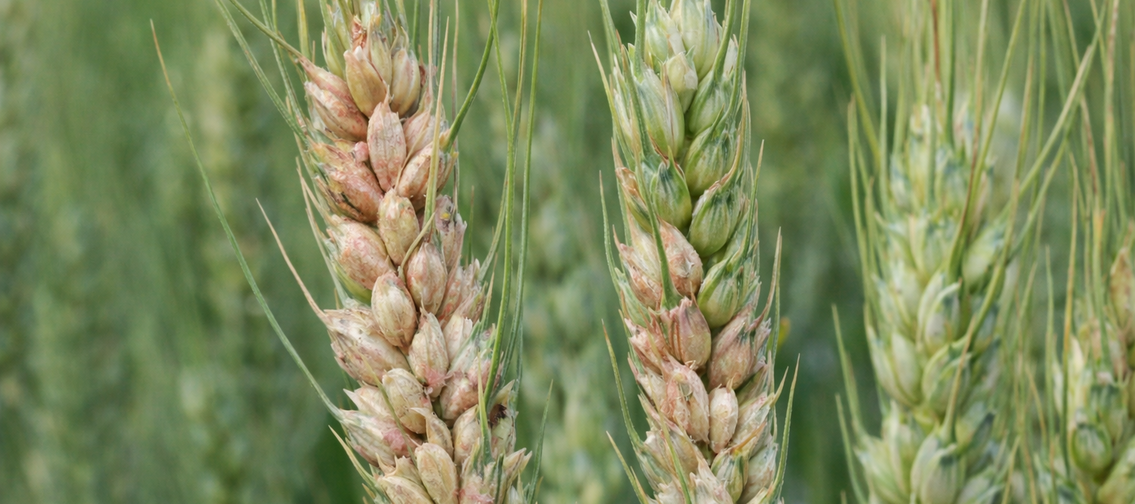
Grain is the basis of food and feed security and a strategic resource for the processing industry. To briefly answer the question of what grain is for our country, it is the basis of the economy and what makes Ukraine known around the world. We have repeatedly been among the top five global exporters, but the situation has changed somewhat.
The unstable and dangerous situation in the country has forced us to reconsider our agricultural business strategy. It has become risky to store grain for a long time and then sell it at a favorable price. Therefore, since 2023, we have been actively modernizing elevators and building processing lines that already create finished products with higher added value.
However, no matter what happens in the market, the transition from “raw exports” to exports of finished products does not reduce the requirements for grain quality. Therefore, the technological chain of moving grain mass from the field to the silo, from the silo to processing should contain a minimum of mechanical damage.
Grain damage during harvesting
Macro damage is broken grain where part of the grain is damaged or deformed. Micro-injuries are shell tears, internal or external cracks. Even minor mechanical damage reduces storage stability, increases respiration rate and creates conditions for self-heating.
Injuries occur during harvesting, transportation, cleaning, drying, and storage.
On average, up to 40% of injuries occur during combine threshing. During direct combine harvesting, the grain mass is subjected to shock and frictional loads. The main causes of injury are:
- violation of the threshing apparatus speed mode
- Incorrect adjustment of the drum and the under-drum
- excessive grain supply
- failure to meet the optimal harvesting time
Impact collisions with the working parts of the machines and friction between the kernels form damaged grains of corn and other crops. Damaged corn kernels are particularly vulnerable to moisture during harvesting. Even minor deviations in technology can significantly increase the proportion of broken grain.
Mechanical damage to grain during post-harvest processing
After harvesting, the grain is cleaned, dried and transported. It is at this stage that an additional percentage of defects are often formed.
In the context of the processes at a transshipment elevator, the greatest damage to grain occurs not during storage as such, but during its movement. The main losses occur when the product is placed in containers (silos and warehouses ) – up to 14.4% of the total increase in damage, as well as in chain conveyors (about 6.8%), gravity transport (up to 6%) and elevators. It is at the points of overloading, when grain falls from a height, a sharp change in direction, and contact with metal surfaces that shock loads occur, leading to microcracks and grain crushing.
When cleaning, it is important to
- do not exceed the speed of the working bodies;
- minimize the number of repeated cleaning operations;
- choose the right sieves.
Drying also poses a risk. A sharp temperature drop causes the shell to crack. Soybeans, corn, sunflower, and pulses are particularly sensitive to this. The cracks may not be noticeable at first, but over time, such grains lose their shelf life. If the grain is overdried – it must be handled like a “crystal vase” – it becomes brittle and susceptible to mechanical damage.
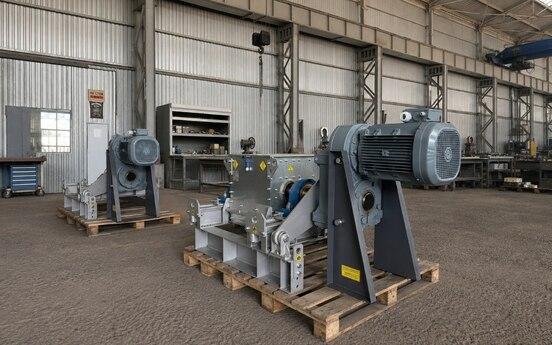
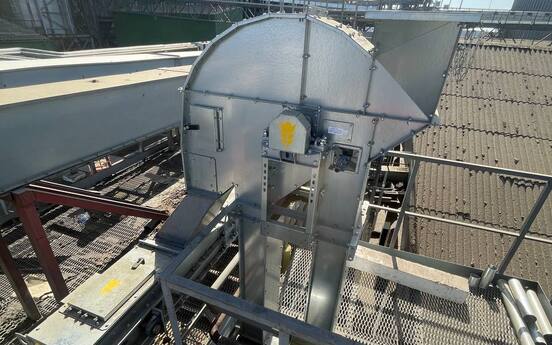
Also, among the transportation equipment, we should highlight elevators and scraper conveyors, which have a high grain breakage rate due to the fact that the grain moves at high speed, in contact with metal scrapers, the equipment body, along the transport and technological route.
How to reduce grain damage
In order to minimize losses, engineers and technologists are looking for design and technological solutions that reduce grain losses at the elevator. After all, the quality of the product we get at the end of the day depends on the equipment installed, the sophistication of the technology and the organization of production processes.
This usually involves a whole range of actions:
- Analysis of the technological route of grain mass movement.
- Minimizing the number of movements.
- Reducing the height of lifts and drops.
- Use of elastic materials in places of bends and turns.
- Regulation of the speed of transport equipment.
- Installation of flow dampers on high routes.
- Creating a “grain cushion” in silos.
If you are planning to replace equipment or reorganize the workshop with the renewal of transport equipment, choose suppliers who have experience not only in the production of individual units, but also in the complex construction of elevators. This means that they have experienced specialists on staff whose work directly affects the profitability of your business.
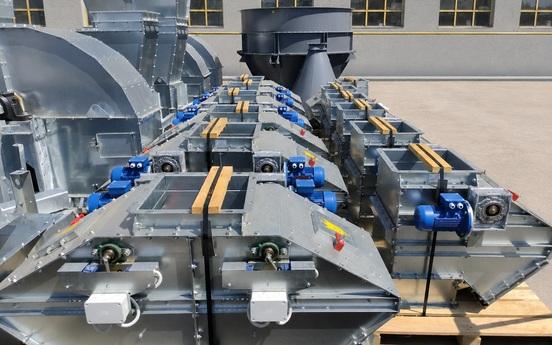
Today, there are solutions to minimize grain breakage even in scraper conveyors and elevators. The chain conveyors of our design do not have direct contact between the traction unit and the body parts; all potentially dangerous areas for grain are lined with polymer or hardox. And the scrapers, where direct contact with the product occurs, are made of elastomeric material, which is safe for grain during movement.
As for the elevators, if it is not possible to minimize their number at the elevator, it is recommended to properly adjust the operation and speed of the elevators. Be sure to choose manufacturers that use polymer buckets of the correct geometric shape. They are less likely to injure the grain.
Aspiration equipment also plays an indirect role in maintaining grain quality . For example, there is experience in using filter cyclones, which are installed in the technological chain before the separator and reduce the concentration of grain dust. This increases the cleaning efficiency and minimizes repeated cycles of interactions with transportation equipment, which directly affects the integrity of the grain.