How does conveying equipment affect the profitability of a grain elevator
You may be surprised, but today the efficiency of a grain elevator is no longer measured solely by throughput or grain handling speed. Under conditions of limited workforce and unstable power supply, real efficiency increasingly depends on the proper selection of conveying equipment.
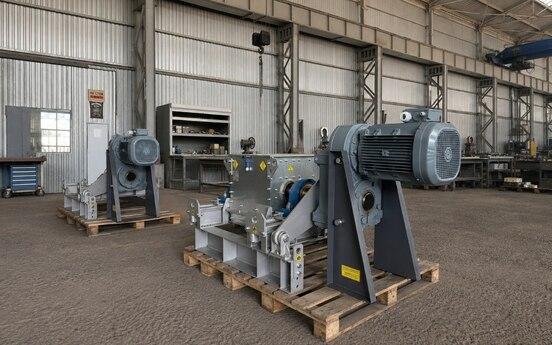
Not only engineering solutions and design matter, but also the correct type of equipment, its reliability, and level of automation. This is no longer about brand or price. Before purchasing equipment, in addition to cost, it is crucial to consider real operational cases. Equipment that requires frequent repairs, consumes excessive energy, or wears out quickly at transfer points due to poor geometry inevitably leads to ongoing costs.
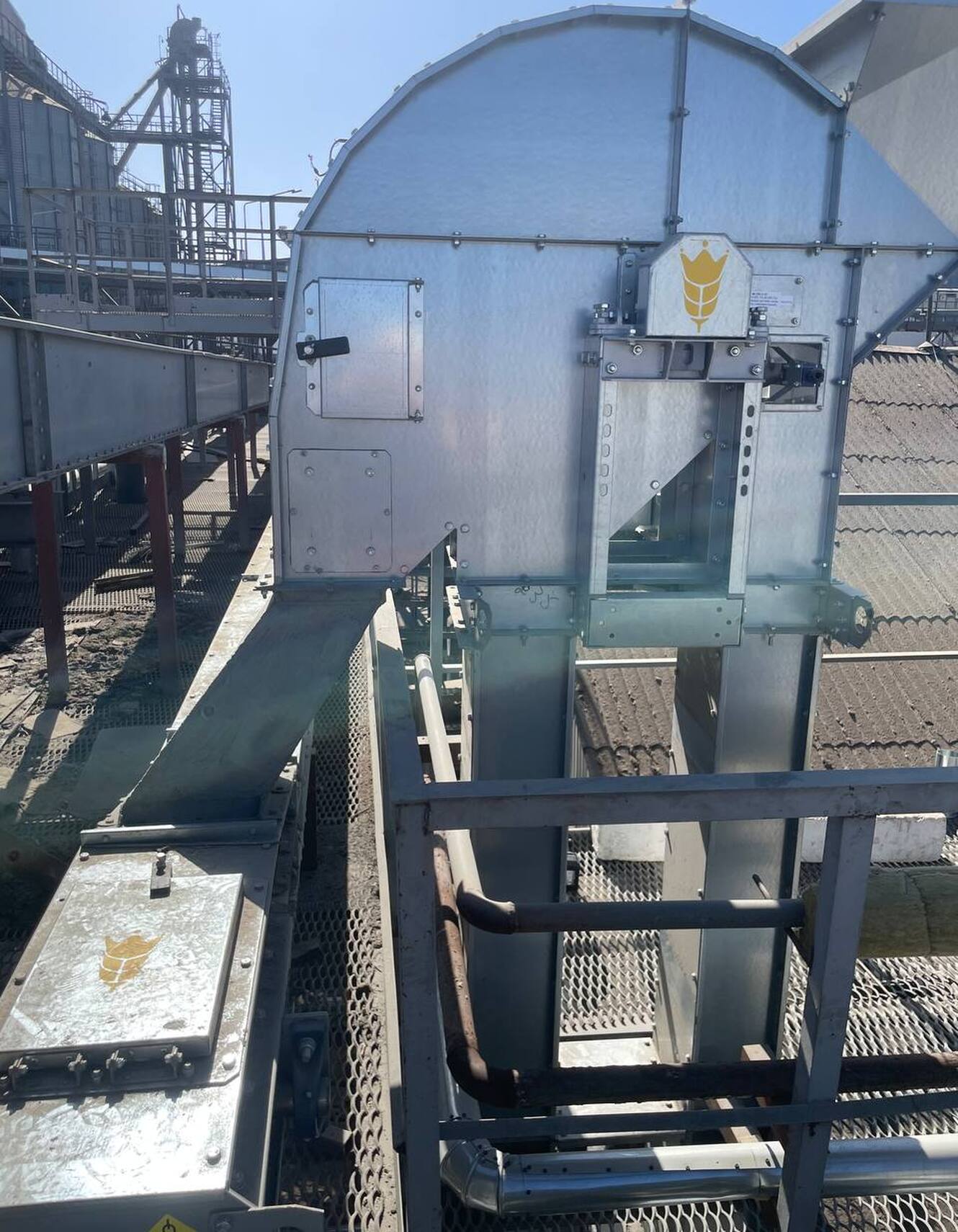
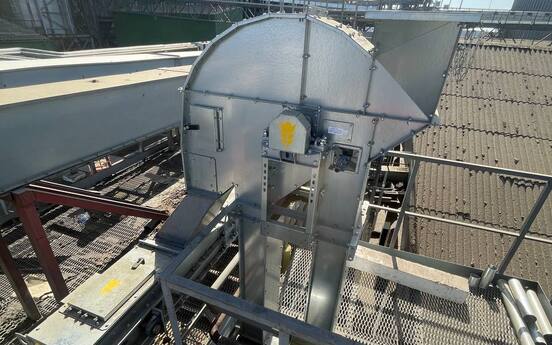
And these costs can be significant, since conveyors ensure continuous movement of material across all технологical stages of elevator operation, and a large number of them are installed at each facility.
When selecting equipment, Grain Capital specialists always уточняют key parameters and:
- Include a performance margin. Technical specifications usually indicate the crop type, but often overlook variations in moisture content, density, and contamination level. All of these increase the load on equipment, potentially leading to drive overheating, spillage, misalignment of conveying elements, and other operational issues.
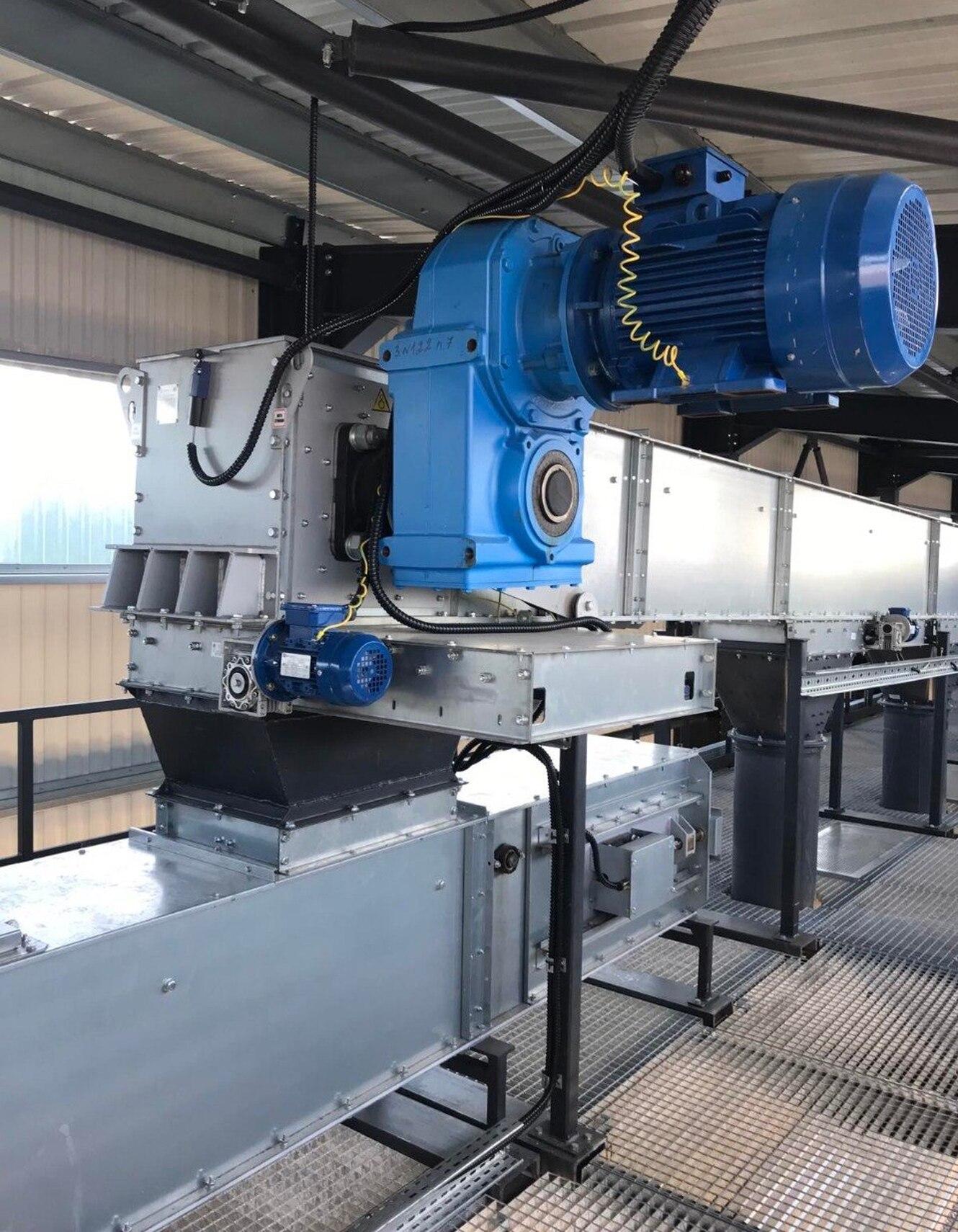
- Properly select drives considering the service factor. For processing elevators, it should be at least 1.3; for transshipment facilities — 1.7; and for port terminals — 2.0 or higher. This margin ensures the equipment can handle real, not just “ideal,” loads.
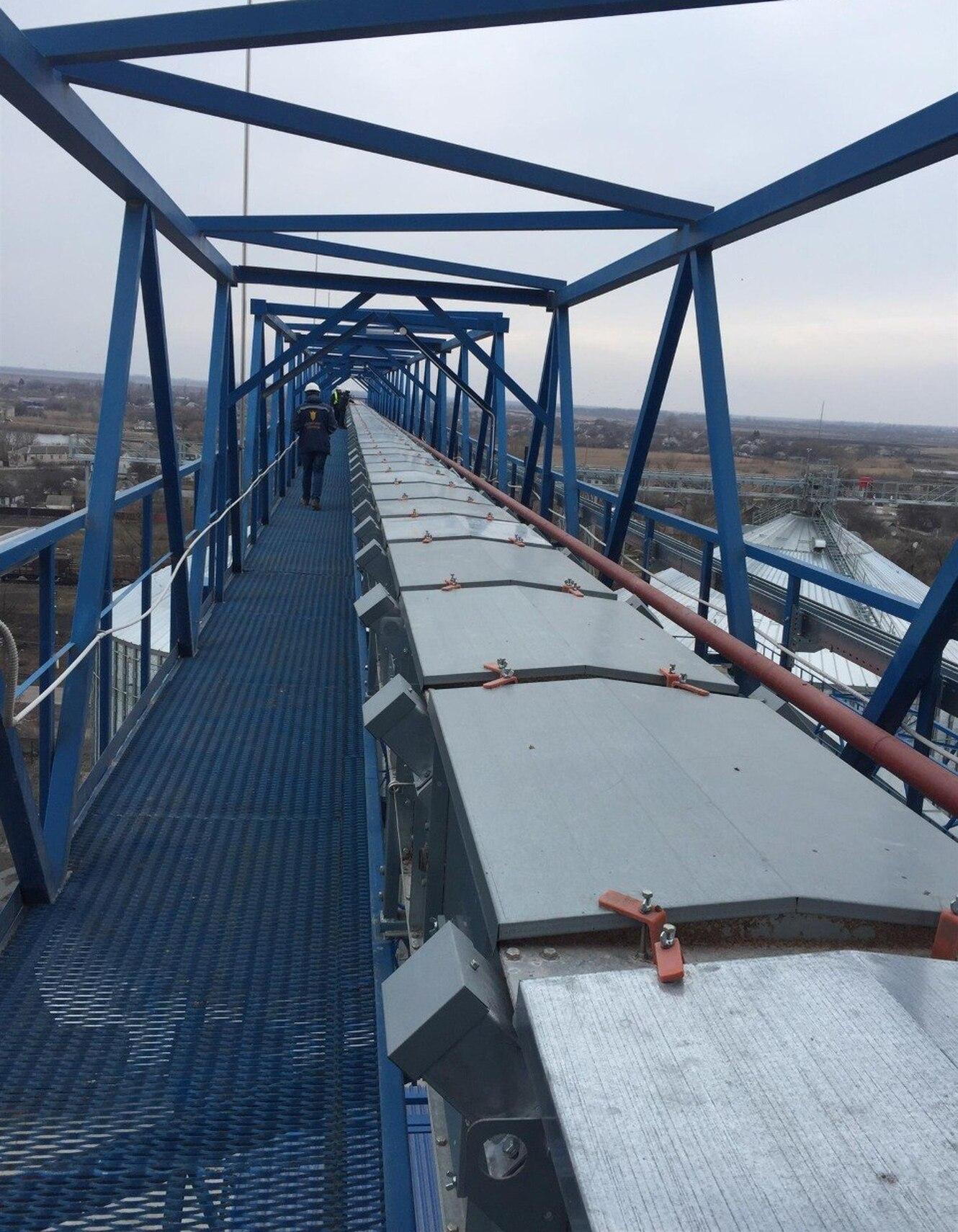
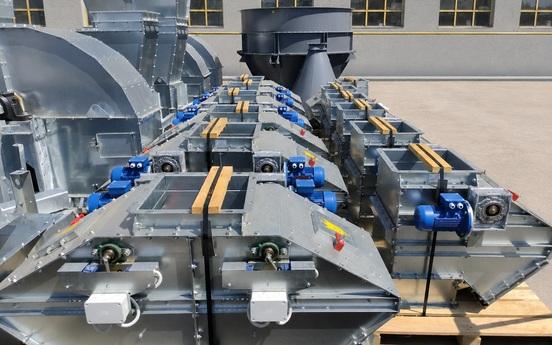
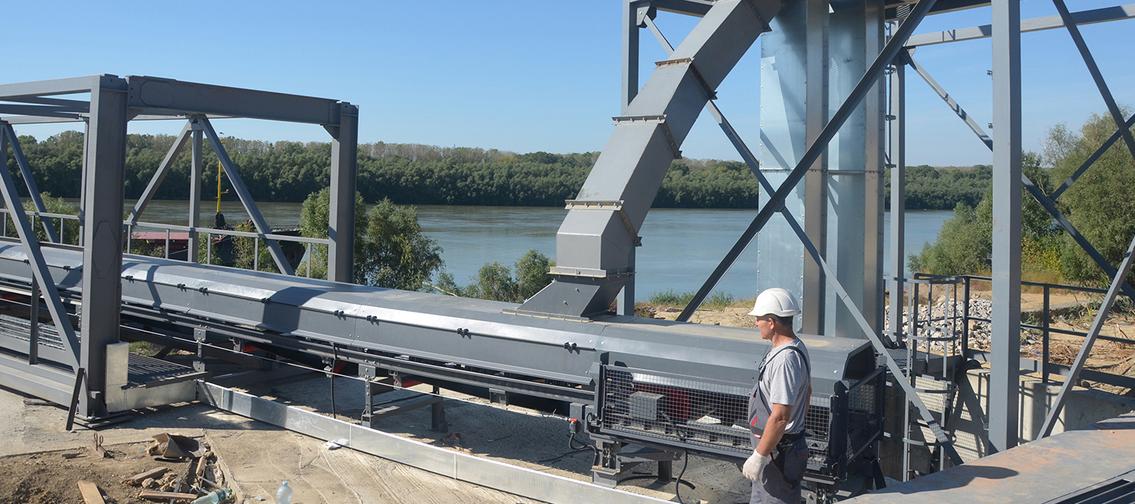
- Choose the optimal conveyor type. If a facility is under construction and there is flexibility in process design, we recommend replacing chain conveyors with enclosed belt conveyors. Today, such equipment starts from around 50 t/h and is активно used in processing industries. Key advantages include energy efficiency and gentler product handling.
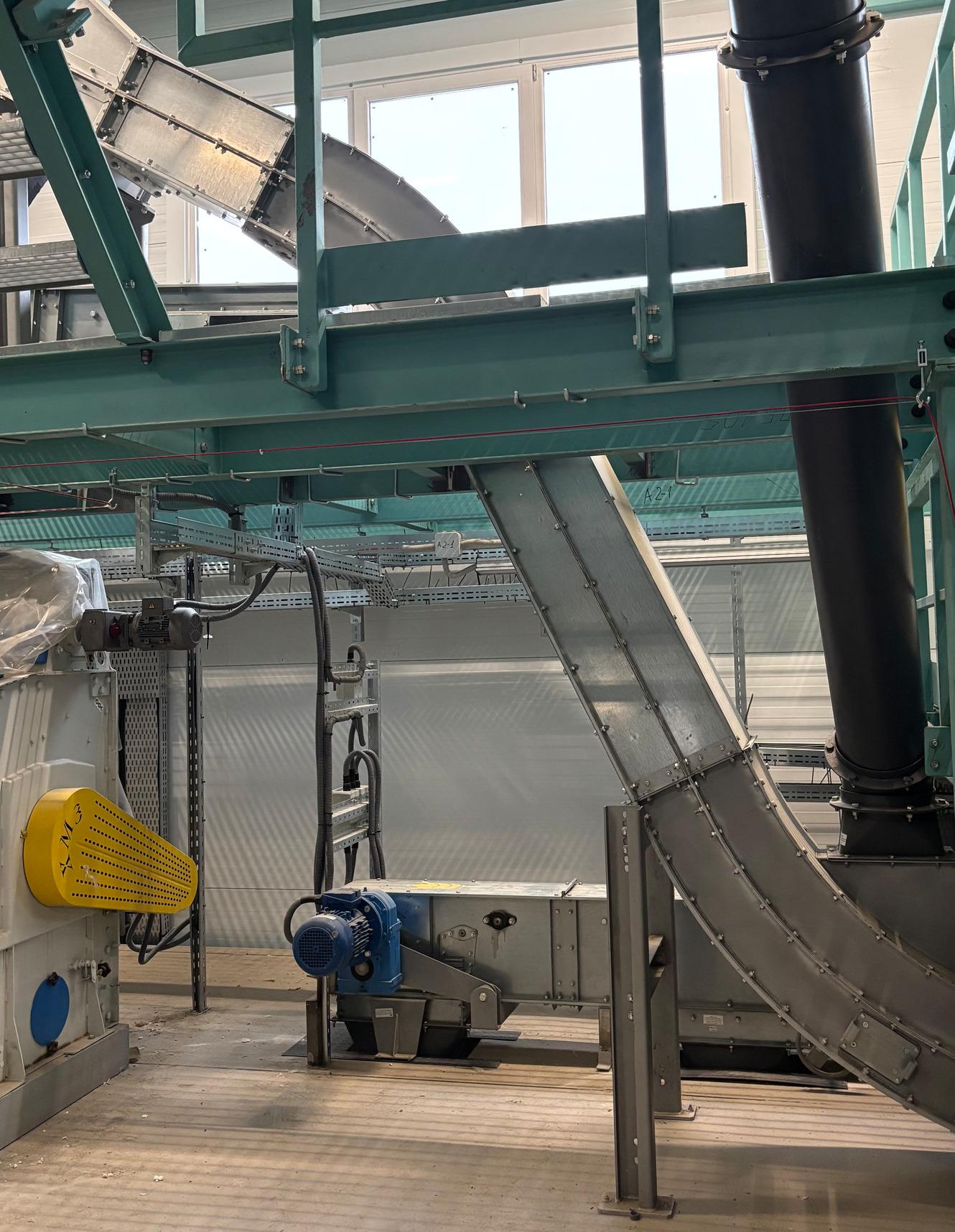
- Implement monitoring and protection systems. Modern conveying equipment must be equipped with sensors for speed control, belt misalignment, product level, bearing temperature, and other safety elements. These systems allow early detection of overloads, stoppages, or аварийные situations before they cause serious damage. This significantly reduces downtime, costly repairs, and product losses.
In our expert opinion, it is at the equipment selection stage that the future cost of transporting one ton of grain is determined — and therefore the overall profitability of the elevator.