Ukraine's Grain Elevator Industry 2026: Market Trends and Challenges
Previously, the Ukrainian agricultural market operated under a growth-oriented model: building new grain elevators, expanding storage capacity, increasing grain exports, and competing for higher volumes.
Today, the market operates under entirely different conditions. Over the past five years, its logic has changed dramatically.
The reduction and forced redistribution of farmland to safer regions of Ukraine, labor shortages, expensive logistics, and rising energy costs have forced businesses to rethink the very operating model of grain elevators.
Operating in frontline regions means working under heightened risk. Queues stretching up to 2 kilometers outside a grain elevator are no longer acceptable—not only from a safety perspective but also in terms of logistics efficiency.
Frequent power outages are also forcing businesses to adapt by optimizing energy consumption and pursuing greater energy independence through solar power plants, backup generators, energy storage systems, and other resilience solutions.
A Fundamental Market Transformation Has Taken Place
Ukraine's agricultural sector is shifting:
- from extensive growth → to operational efficiency;
- from building new capacity → to modernizing existing facilities;
- from competing for volume → to competing on cost efficiency;
- from manual operations → to automation and digital control;
- from low-cost logistics and energy → to optimizing every operational expense.
The Key Trend of 2026 Is Efficiency in Every Grain Handling Operation
That is why today the key question is no longer: "What is the plant's design capacity?", but rather:
- How much does it cost to move one ton of grain?
- What is the operating cost of each material handling route?
- How long will it take for the investment in construction to pay back?
These are the indicators that ultimately determine the competitiveness of a modern grain elevator, feed mill, or oilseed processing plant.
Energy Efficiency Is Becoming a Key Factor for Economic Survival
When discussing energy efficiency, the first things that usually come to mind are grain dryers (drying), ventilation systems (silo aeration), and grain cleaners (cleaning). However, based on our expertise, we can confidently say that an equally significant amount of energy is lost due to suboptimal engineering solutions during the design of the facility and the selection of grain handling equipment.
The issue is not limited to motor type, although today it is already considered outdated practice to use motors below the IE3–IE4 efficiency class. Greater attention should be paid to the overall system performance, including variable frequency drives (VFDs), as well as the engineering design and material handling logic.
Key factors include:
- the length of conveying routes;
- the number of transfer points;
- the type of traction element;
- equipment load factor;
- conveying speed;
- level of automation;
- equipment condition.
Energy efficiency is particularly critical for bucket elevators and chain conveyors, where a significant portion of energy is consumed not for productive work but to overcome friction, scoop material, handle unnecessary transfers, and operate equipment under inefficient conditions.
Another Key Trend Is On-Site Power Generation
High electricity costs and the instability of the power grid are driving another major market trend — on-site power generation and greater energy independence for industrial facilities.
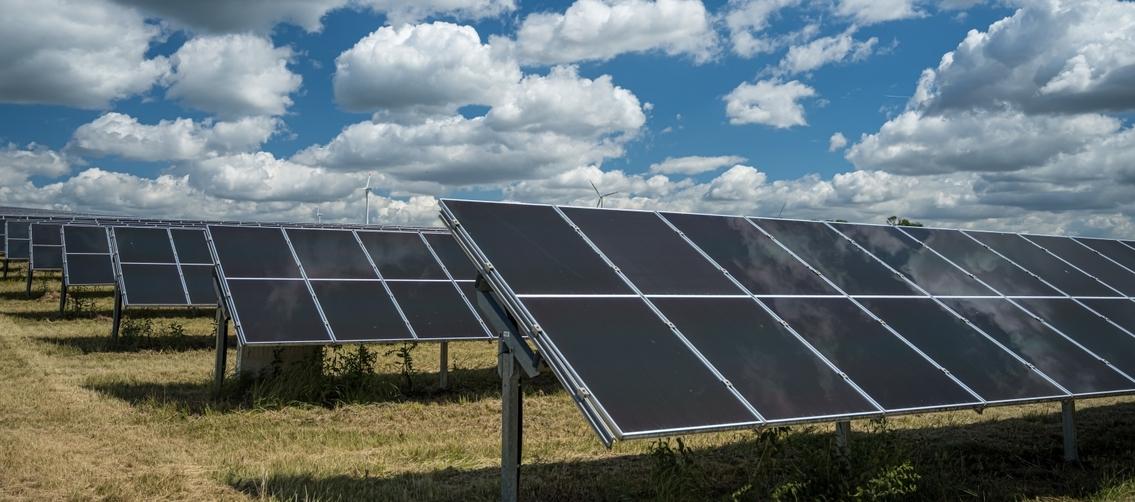
Just a few years ago, these solutions were considered additional investments. Today, they have become an essential part of business resilience.
This includes investments in:
- solar power systems;
- hybrid energy systems;
- energy storage systems;
- backup solutions for critical infrastructure;
- energy management systems.
Labor Shortages Have Become an Even Greater Challenge for the Industry This Year
Today, the labor shortage in the industry is estimated at 30–40%.
The sector is gradually losing its engineering expertise and practical know-how, which previously took years of hands-on experience at operating facilities to develop.
As a result, we increasingly see copied design solutions, unjustified safety margins, mistakes in material handling logistics, and insufficient qualifications among maintenance personnel and automation system operators, all of which lead to ongoing financial losses.
Automation Is No Longer an Option—It Is a Necessity
Today, the cost of mistakes is simply too high.\
The greatest value automation brings to modern businesses is process transparency, operational control, and the ability to manage facilities remotely. Moreover, the market has long moved beyond traditional equipment automation. Today, the integration of ERP and MES systems with production processes is becoming increasingly important.
Major agricultural holdings such as MHP, Kernel, TAS Agro, and NIBULON are actively investing in production digitalization, grain elevator automation, logistics automation, and integrated production management.

While large agricultural holdings have already moved beyond basic automation to integrated business process management, this trend is now rapidly expanding to grain elevators with capacities of up to 50,000 tonnes and grain processing facilities.
Labor shortages, a growing dependence on human factors, and the high cost of operational errors are driving even smaller businesses to invest in software upgrades, dispatching systems, and digital logistics management.
In many cases, digital transformation can begin with basic solutions, such as automating on-site truck logistics, queue management, and communication with grain owners.
For grain elevators, this means:
- reduced truck queues;
- more predictable operations;
- real-time vehicle tracking;
- reduced downtime.
For grain owners, it provides:
- shorter waiting times;
- greater process transparency;
- predictable unloading and loading schedules.
The next stage is the comprehensive automation of production processes. Modern control systems make it possible to:
- automatically recommend optimal material handling routes;
- minimize the amount of equipment in operation;
- reduce energy consumption;
- synchronize conveying lines;
- reduce dependence on operator qualifications.
One of the emerging trends is route optimization based not only on distance but also on energy efficiency and the rated power of the equipment involved.
Conclusion
Engineering expertise, automation, energy efficiency, logistics, and the ability to operate reliably in today's new reality are what define an efficient grain elevator.
We have preserved our team, engineering expertise, and many years of practical experience, and we are ready to help businesses develop truly efficient solutions—from process engineering and material handling logistics to automation and facility modernization.