Engineering Audit: How to Avoid Costly Mistakes
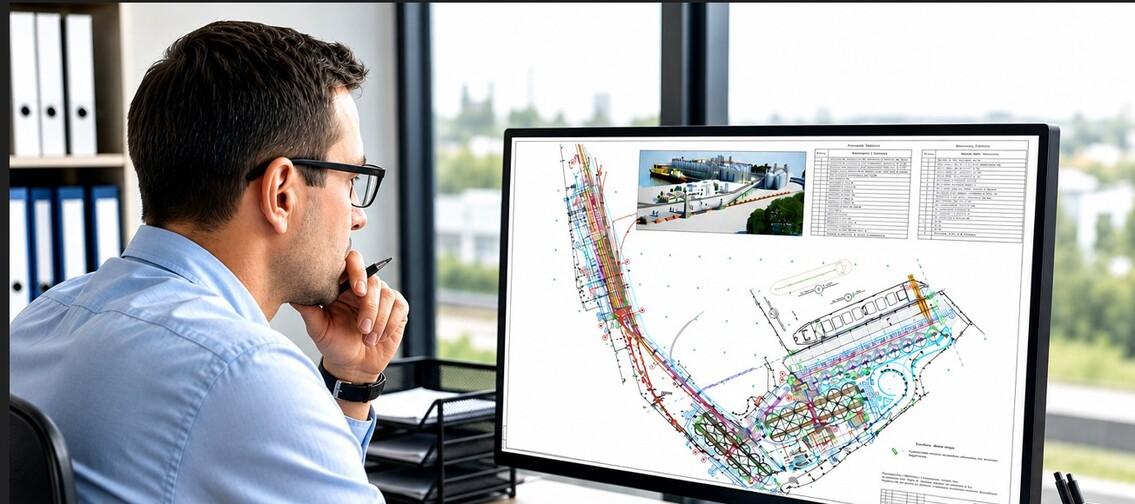
Mistakes made at the initial stage of a project can cost the investor millions during construction or operation. An ineffective concept, improperly selected equipment, excessive construction solutions, or underestimated utility infrastructure costs can all be identified before implementation begins.
Engineering audit by Grain Capital is a professional assessment of the project concept, initial data, and design documentation that enables timely identification of technical, financial, and operational risks.
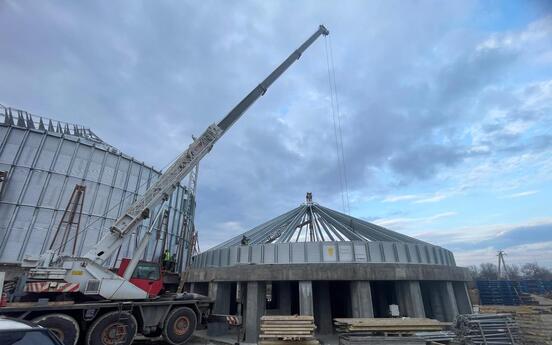
“Today, there is a shortage of specialists with experience in designing complex industrial facilities. As a result, such projects are increasingly entrusted to engineers whose background is limited to civil construction, such as private houses, commercial buildings, or gas stations. However, a grain elevator complex or a port terminal requires an entirely different level of expertise. Beyond construction experience, it demands a deep understanding of process engineering, grain logistics, equipment specifics, and the future operation of the facility. Designing such projects involves foundation modelling for silos and grain dryers, structural load and steel tonnage calculations, as well as the development of process lines and logistics routes. These are projects of a completely different scale, with their own requirements and standards,” says Vitalii Halych, Commercial Director of Grain Capital Group.
At Which Project Stages Is an Engineering Audit Conducted?
Grain Capital experts can join a project at different stages:
- Pre-design stage — to analyze the initial data, develop the project concept, and assess the feasibility of future engineering solutions.
- Design stage — to review the process flow, equipment selection, capacity, energy efficiency, and the overall consistency of engineering solutions.
- After the design has been completed but before construction begins — to conduct a comprehensive review of the design documentation, identify errors, unnecessary costs, and potential operational risks.
Grain Capital also provides engineering audits for operating facilities. This service includes the analysis of process flows, equipment, and automation systems, identification of the causes of reduced productivity, and the development of a detailed modernization plan.
Technical and economic assessment of the project
Assessing engineering solutions without considering financial indicators is not enough. The proposed solutions must be not only technically sound, but also economically justified, both in terms of capital expenditures (CAPEX) and operating expenses (OPEX).
“An engineering audit should provide an objective assessment of the project's economic, production, technical, logistical, operational, environmental, and engineering performance,” emphasizes Oleh Haponiuk, CEO of Grain Capital Group.

The main objective of the audit is to determine whether the future facility will be profitable and under what conditions the invested funds can be recovered.
To achieve this, a feasibility study with elements of SWOT analysis is carried out, covering three key areas.
1. Raw material base and regional feasibility
At the planning stage, it is essential to determine the future role of the facility, taking into account its location, available raw material base, and the needs of the regional market.
There is no universal solution. Depending on its location, the facility may serve one or more of the following functions:
- transshipment of grain from trucks to railcars as part of a dry port operation;
- grain receiving, cleaning, drying, and temporary storage;
- long-term storage of raw materials for in-house processing;
- consolidation of export shipments and logistics transit operations.
2. Site infrastructure audit
Before construction begins, it is essential to assess:
- the availability and capacity of railway lines and road access;
- the feasibility of connecting to the power grid;
- the complexity of connecting water supply, gas supply, and drainage systems;
- the time and cost required to obtain technical connection approvals;
- permitting requirements and site restrictions.
An inexpensive land plot may ultimately prove uneconomical if connecting it to transport and utility infrastructure requires excessive investment.
3. Competitive environment analysis
It is essential to analyze the companies already operating within the potential grain supply area, including their services, capacities, and pricing.
This makes it possible to assess actual market demand, identify the future facility's competitive advantages, and forecast its economic performance.
“By taking all relevant factors into account and accurately identifying the client's needs, it is possible to develop a specialized facility whose performance can be reliably forecast for the next 5 to 10 years. Designing a process today with a fifty-year horizon is not always practical. Technologies evolve, market conditions change, and with them, the business model of the enterprise and the requirements for a grain elevator also change,” says Andrii Tsurkan, Head of Project Management at Grain Capital Group.
Some grain elevators are designed for rapid grain turnover and subsequent export, while others are intended for the long-term storage of raw materials for in-house processing. Therefore, each requires a different conceptual and technological approach.
Flexibility instead of excessive capacity
Modern grain handling demonstrates how approaches to grain infrastructure are evolving.
In the past, large port terminals with storage capacities of 200,000–300,000 tonnes were commonly built. Grain could remain there for up to a month, slowing cargo turnover and reducing the return on investment.
The experience gained during the war has shown that efficient operations are also possible using a direct transshipment model, essentially handling grain straight from incoming transport, with minimal storage capacity.
Such facilities require lower investment while offering greater flexibility. They are easier to modernize, adapt for handling other types of cargo, or dismantle when necessary.
From investment assessment to optimization
Grain Capital specialists view an enterprise as an integrated system. Problems related to process engineering, energy systems, construction, or automation can be corrected, whereas economic miscalculations are far more difficult and costly to eliminate.
After assessing the project's feasibility and investment payback period, the audit focuses on three key areas.
Capital expenditure optimization
Experts identify unnecessary costs, overengineered solutions, and design errors, then propose alternative approaches that reduce CAPEX without compromising the facility's reliability.
Operating cost reduction
A properly designed operating model reduces the processing cost per tonne of grain. This requires balancing process design, energy consumption, automation, and equipment performance.
Elimination of bottlenecks
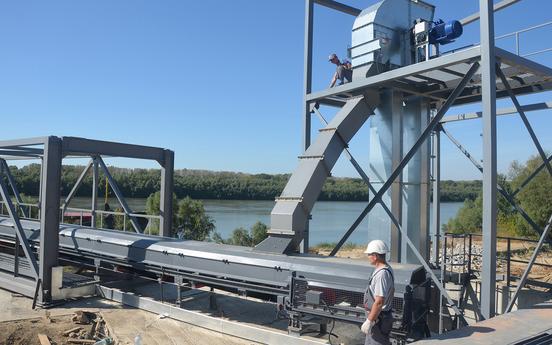
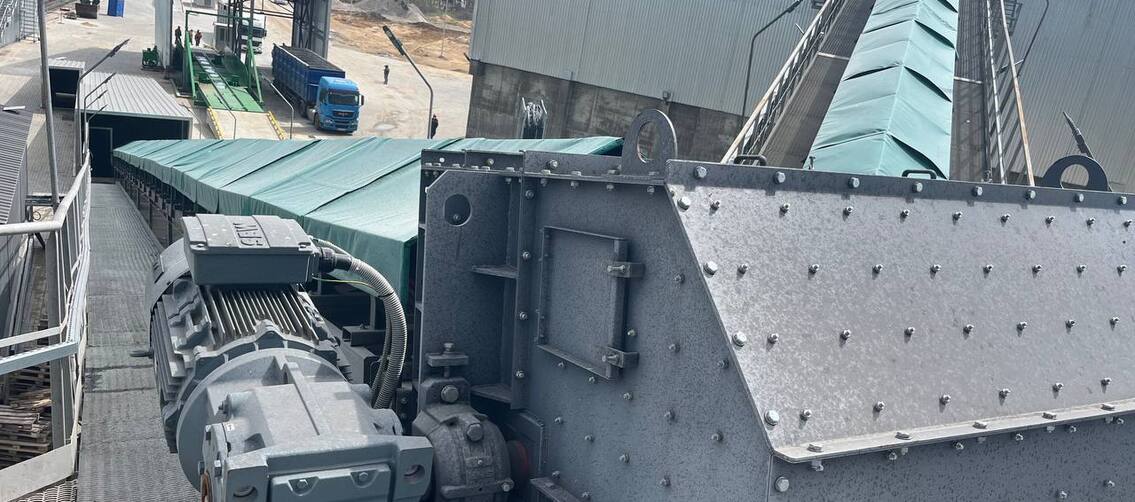
The audit evaluates grain dryer performance, the number and capacity of bucket elevators, the throughput of conveying equipment, receiving points, and the routing of road and rail traffic.
This helps eliminate queues, downtime, traffic conflicts, and inefficient equipment utilization.
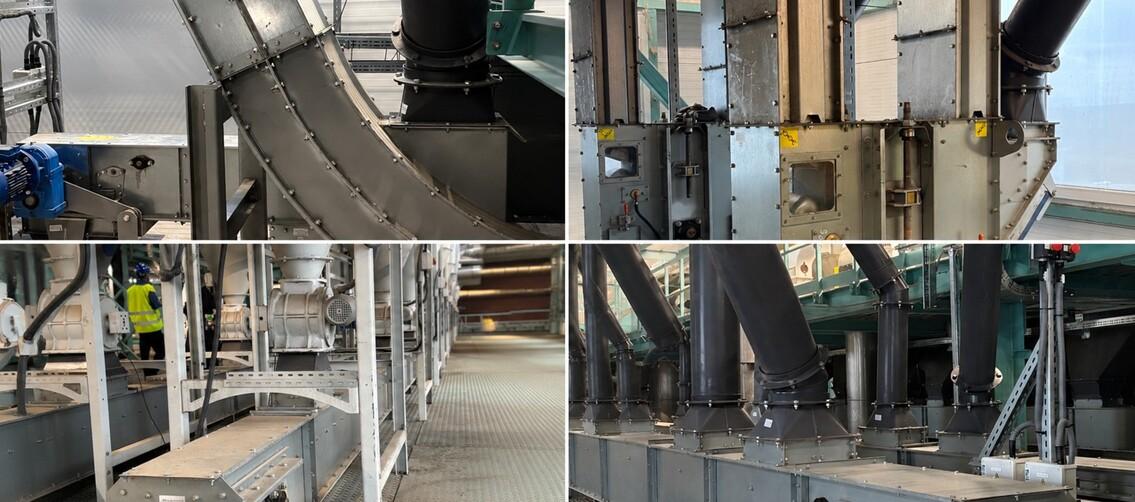
“Developing the facility concept and operating model often takes more time than the subsequent design of the process, civil, and electrical engineering disciplines. It is the concept that determines future capital expenditures (CAPEX) and, most importantly, the facility's operating costs,” explains Vitalii Halych.
Following the audit, the client receives a list of identified risks, alternative engineering solutions, and a financial comparison of the proposed options.
Conclusion
An engineering audit by Grain Capital enables the project’s viability to be assessed before construction begins, helps avoid unnecessary costs, and identifies critical solutions that may not have been considered in the design documentation. A well-developed project at the initial stage is the foundation for the efficient operation of the future facility.