What is the connection between heat treatment of parts and the reliability of grain handling equipment
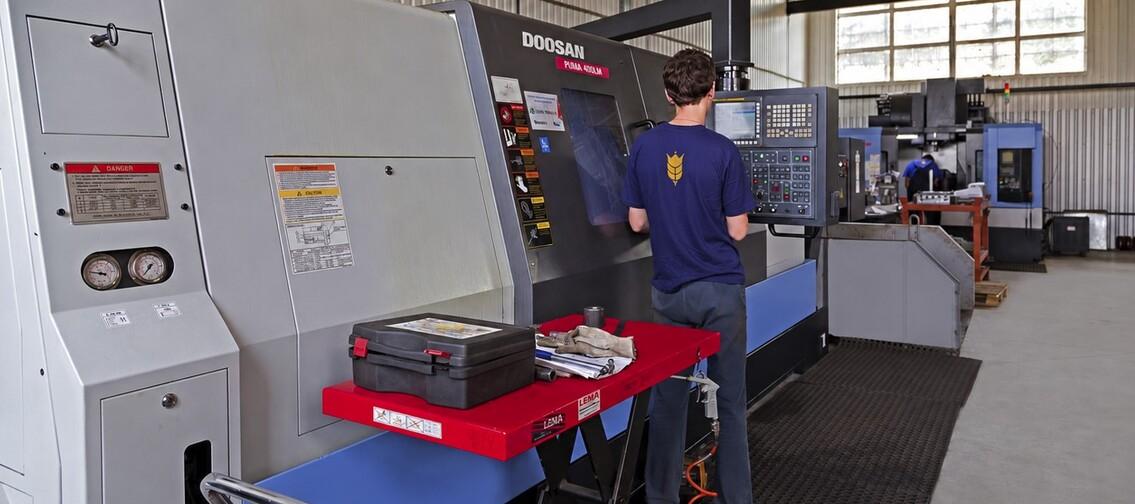
The quality of equipment is determined not only by its design, metal thickness, or drive power. Manufacturing processes also play a significant role, although they often remain unnoticed by the customer.
For most people, it is simply a change in the color of the metal. For engineers, it is one of the important stages in ensuring the service life of the equipment. Shafts, sprockets, axles, and other heavily loaded components are constantly exposed to friction, impact, and cyclic loads during operation. That is why critical parts undergo heat treatment.
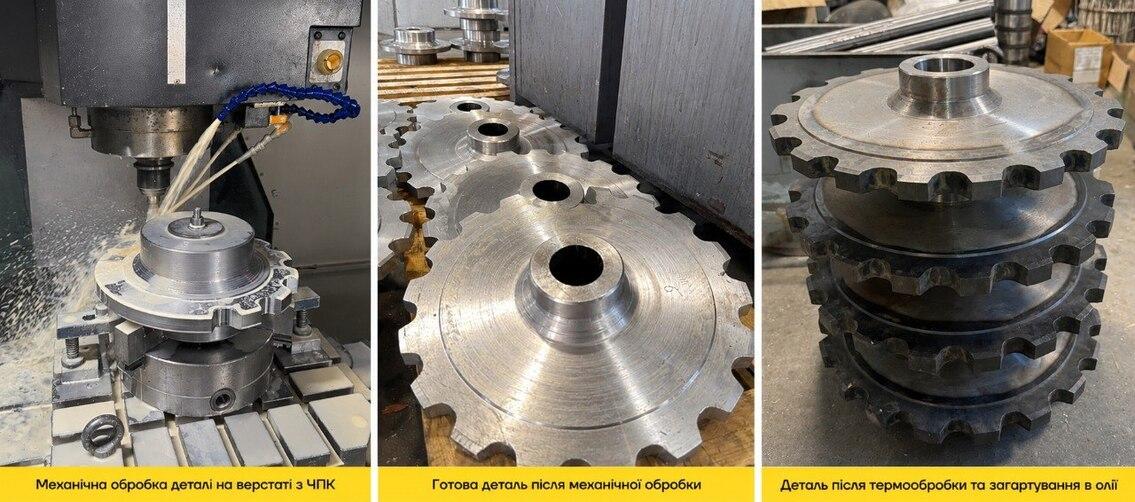
Heat treatment is carried out at our own production facility using specialized equipment — shaft furnaces with depths of 3 and 1.5 meters.
How parts are hardened at Plant of Elevator Equipment LLC
The part is placed into a shaft furnace. Several heating zones ensure uniform heating of long components, such as bucket elevator shafts or chain conveyor shafts. This is important to prevent internal stresses and distortion. Depending on the steel grade, the part is heated to approximately 800–900°C (for structural steels).
After reaching the required temperature, the part is held in the furnace for a certain period and then rapidly cooled in oil. It is at this stage that the metal gains high hardness.
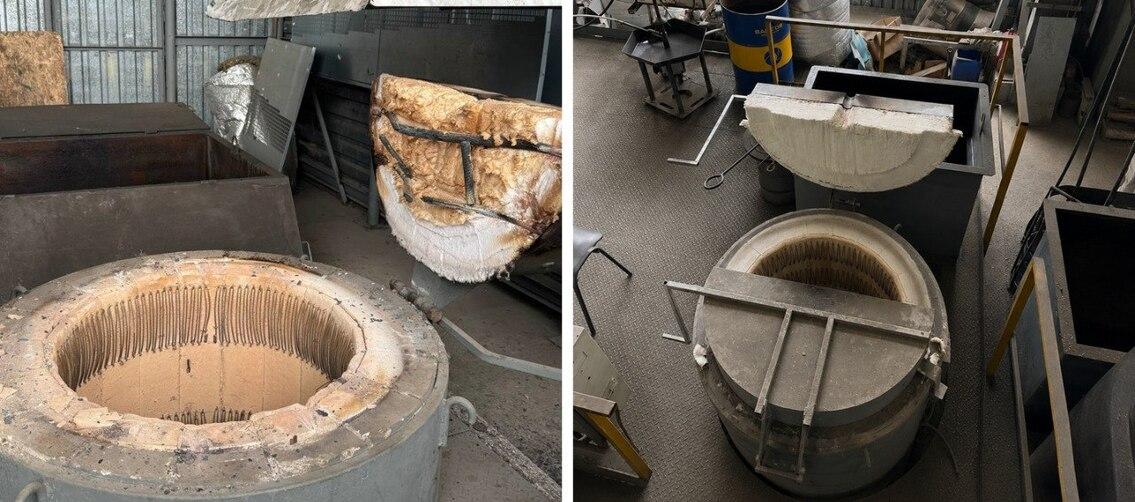
During oil quenching, cooling occurs more slowly and gently than in water. For massive components of transportation equipment, this is the most suitable option.
This approach provides the metal with an optimal combination of strength, wear resistance, and durability.
However, not only the quenching process itself is important.
After heat treatment, every critical component undergoes hardness testing. The required hardness values for each part are specified by the design engineer according to the operating conditions of the assembly, while the actual values are verified using specialized measuring equipment.
The design engineer specifies the required hardness, for example:
- shaft — 28–32 HRC;
- sprocket — 45–50 HRC;
- axle — another specified value.
A hardness tester measures the actual hardness of the metal. If the parameters do not comply with the drawing requirements, the part is not approved for installation in the equipment.
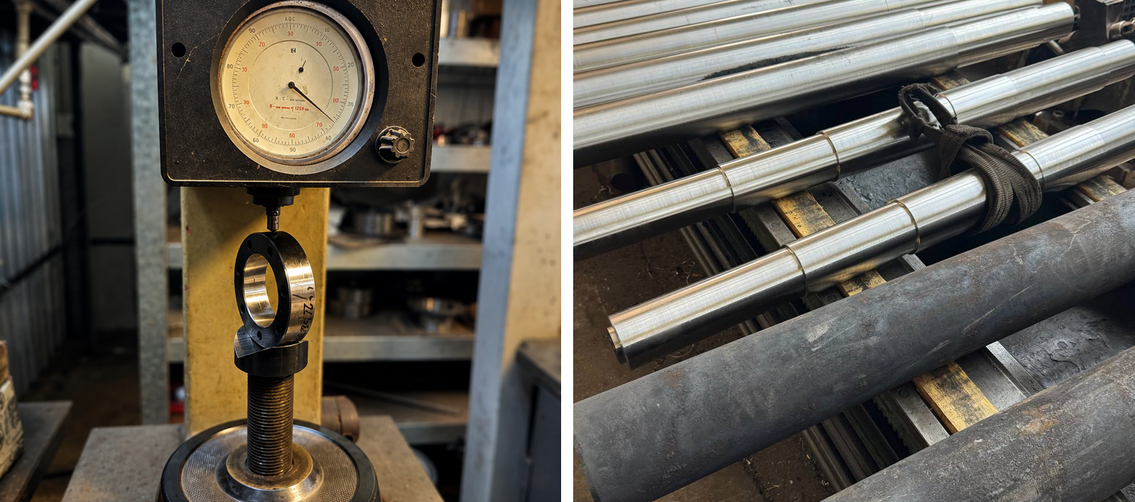
Such inspection makes it possible to ensure that the part meets all requirements before being installed in the equipment.
It is these seemingly small details that determine the service life of the equipment and its reliability in everyday operation.
What does this provide in operation?
- increased wear resistance of components;
- longer service life of assemblies;
- reduced risk of unplanned downtime;
- stable equipment operation during peak season.
Equipment reliability is built from many factors. The processes described above are only the tip of the iceberg.
The quality of heat treatment, hardness control, manufacturing culture, and quality assurance systems rarely appear in a commercial proposal, yet they often determine how equipment will perform after 5, 10, or 15 years of operation.
Trust the No. 1 grain handling equipment manufacturer in Ukraine. You can request an equipment cost estimate through the form on our website or by calling +38 (067) 558-58-37.