Monoblock or Split Drive: What Does Real-World Practice Show
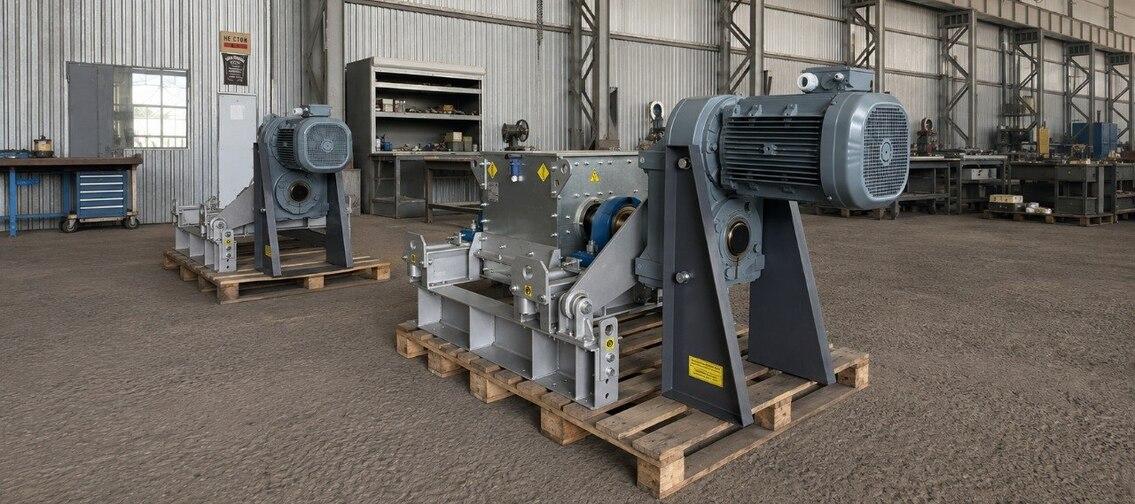
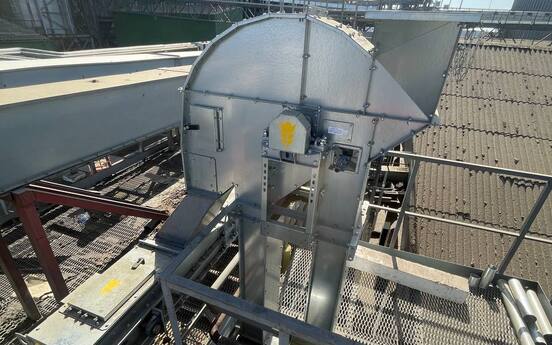
“Don't install monoblock gear motors.” This was exactly the comment we received on one of our social media channels under a video showing the manufacturing of a bucket elevator.
The author supported this opinion with many years of experience in operating such equipment. According to him, servicing or replacing an individual component is a complex and costly process, while downtime of a bucket elevator or other conveying equipment can be significant.
His main argument is not about the manufacturer, but about the design concept itself.
Let's take a closer look
Interestingly, the choice of drive design has been shaped, to some extent, by different engineering traditions. In North American grain handling equipment, V-belt drive systems have traditionally been the preferred solution, whereas European manufacturers more often use compact gear motors with direct mounting. However, this is not a strict rule: today, both approaches are selected depending on power requirements, operating conditions, equipment layout, and maintenance requirements.
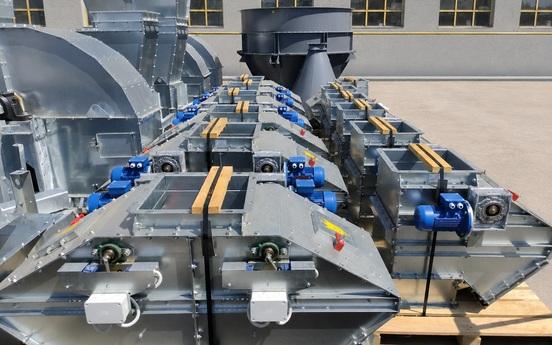
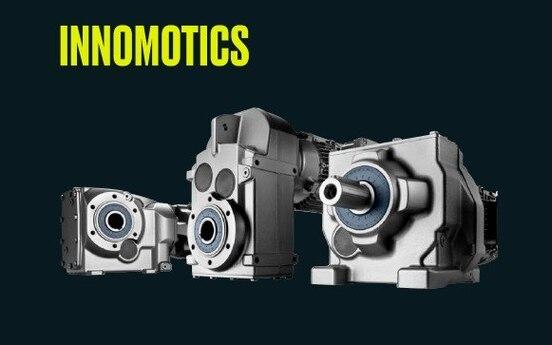
In a monoblock design, the electric motor and gearbox form a single assembly. One of the most heavily loaded components in this configuration is the motor bearing on the gearbox side. According to field experience, this bearing can become a point of failure even in gear motors manufactured by well-known brands.
At the same time, monoblock gear motors offer several advantages:
- compact design;
- fewer connecting components;
- easier installation;
- no need to align the motor and gearbox separately.
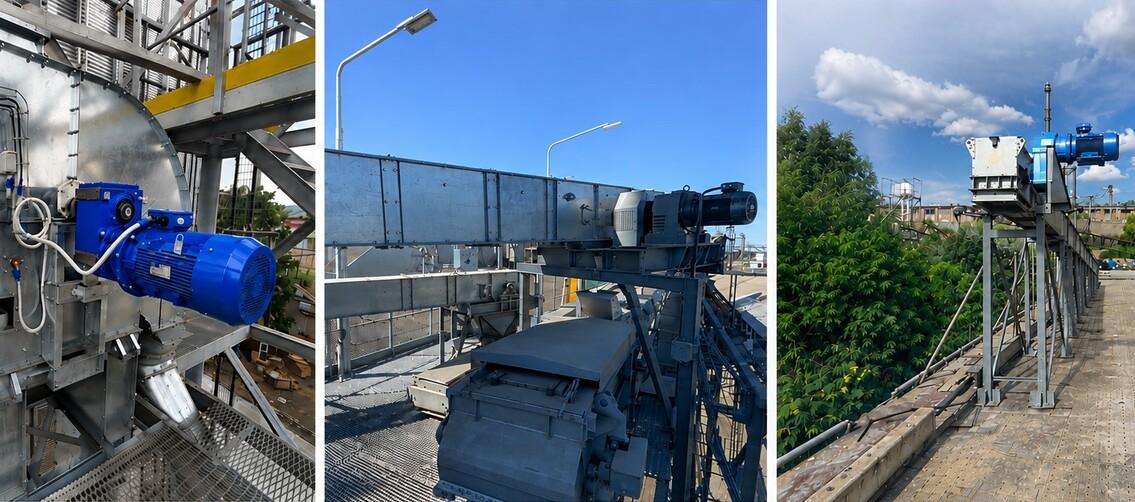
An alternative solution is a split drive, where the electric motor and gearbox are installed separately, allowing the motor and the gearbox to be serviced independently.
Torque is transmitted through a V-belt drive, which compensates for minor misalignment and can also act as an additional safety element if foreign objects enter the equipment.
At the same time, a split drive:
- requires more installation space;
- demands precise shaft alignment during installation.
The method of connecting the gearbox output shaft to the equipment drive shaft is selected separately. For example, a coupling may be used in both split-drive and monoblock-drive configurations. The coupling transmits torque while also absorbing part of the shock loads and vibrations. This solution simplifies the maintenance of the electrical drive system.
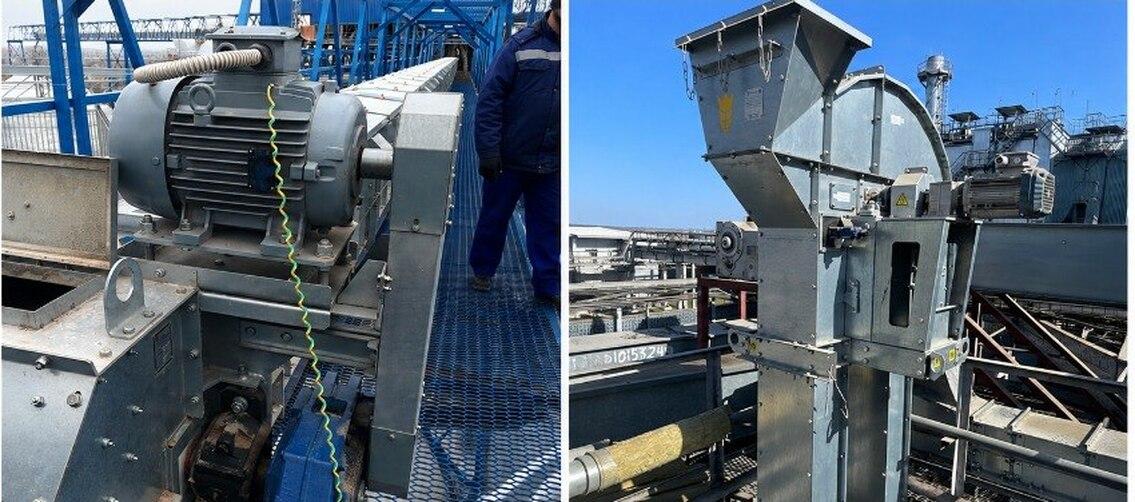
Does this mean that monoblock gear motors are inferior to split-drive systems?
No. However, this practical experience clearly demonstrates why we offer two drive options. There is no universal solution that suits every facility. The right choice depends on operating conditions, equipment accessibility for maintenance, the cost of downtime, and the company's in-house maintenance capabilities.
If your grain handling equipment requires inspection, maintenance, or repair, contact the Grain Capital Service Department. Our specialists will assess the condition of your equipment, identify the root cause of the problem, and recommend the most effective repair or modernization solution.