Grain Separation: How to Choose the Right Solution for a Specific Task
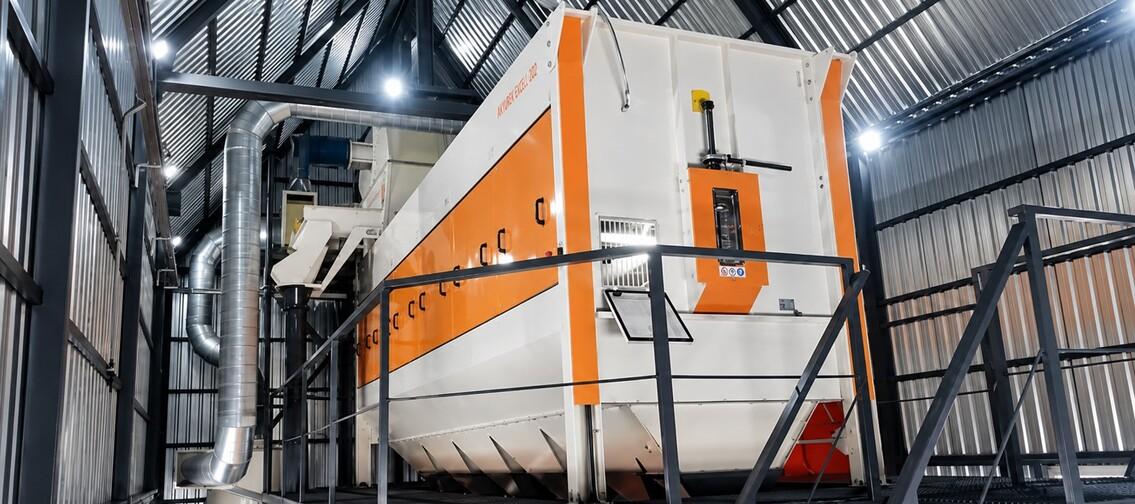
Should the separator be installed before or after the dryer?
This is an important question, but when designing a grain cleaning unit, the first thing to consider is: what exactly needs to be separated from the grain?
The separation principle, equipment type, capacity, and position in the process flow depend on the properties of the raw material and impurities.
What Task Should the Grain Cleaning Process Perform?
Grain cleaning can serve different purposes within the process flow.
Pre-cleaning is used to remove coarse impurities before drying.
Primary cleaning is required to bring the grain to the required quality parameters.
A separate cleaning stage may also be provided before shipment, for example, to control the content of broken grain, specific impurity fractions, or ragweed.
Therefore, the same phrase “a separator is needed” can refer to completely different technological tasks.
The capacity and efficiency of grain cleaning depend on the condition of the incoming grain mass:
- level of contamination;
- moisture content;
- type of impurities;
- required degree of cleaning.
To separate them, it is necessary to determine the property that distinguishes the impurities from the grain.
This may be:
- geometric size;
- density;
- aerodynamic characteristics.
If an impurity differs from the main grain by size, sieve separation can be used. If it differs by density or behavior in an air flow, a different cleaning principle is required.
Therefore, choosing the wrong separation method can result in low efficiency even when the rated capacity of the equipment is sufficient.
How Grain Moisture Affects the Cleaning Process
Wet grain is more difficult to separate into individual fractions.
Consider the example of chaff (husks and pieces of stems): at higher moisture levels, it can stick to the grain kernels, making it much more difficult to separate. To improve efficiency, it may be necessary to reduce the load on the separator’s working elements or change the sequence of operations.
After drying, such impurities become drier and are more easily separated by the air flow. This is where the question of the separator’s position in the process flow becomes important.
So, Is It Better to Install the Separator Before or After the Dryer?
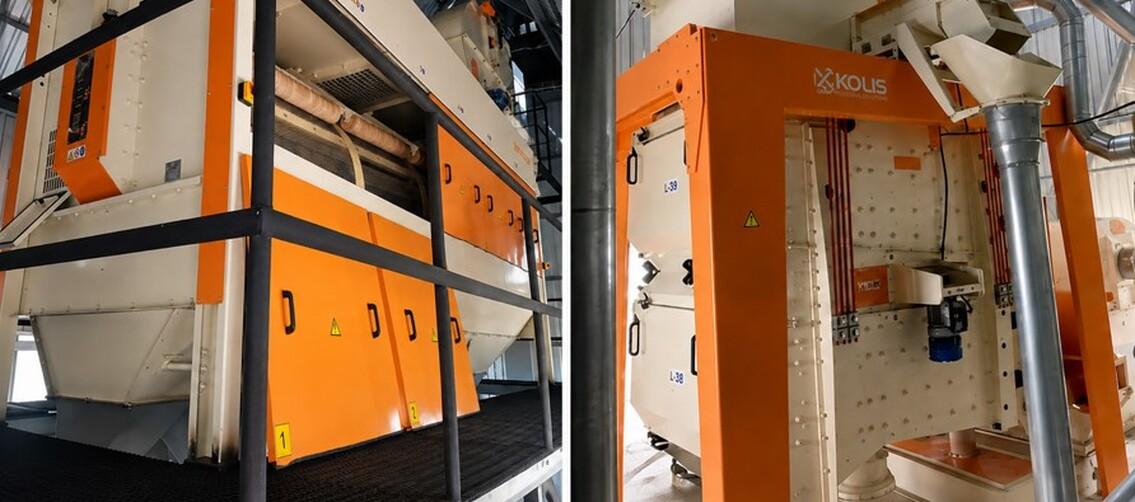
There is no universal answer.
Before drying, coarse impurities that could cause problems during further grain processing should be removed. It is economically reasonable to separate some impurities before drying to avoid wasting energy on heating them and removing their moisture.
After drying, the separation conditions change: certain light impurities can be removed more efficiently, while primary cleaning and control of broken grain content can also be performed.
Therefore, a single process flow may include both stages: pre-cleaning before drying and primary cleaning after drying.
According to grain facility design experts, “drying impurities is expensive”. However, in some cases it is advisable to install an additional separator before the dryer — this depends on the drying volumes, the amount of impurities, and the specific requirements of the facility.
What Should Be Considered Along with the Separator?
The waste handling route.
If hundreds of tonnes of product pass through the separator per hour, even a few percent of impurities create a significant separate flow.
This material must be:
- removed from the separator;
- separated into categories;
- accumulated;
- sent for further use or disposal.
In the process flow, the main grain, by-products, and unusable waste are handled separately, with dedicated storage bins and routes provided for each.
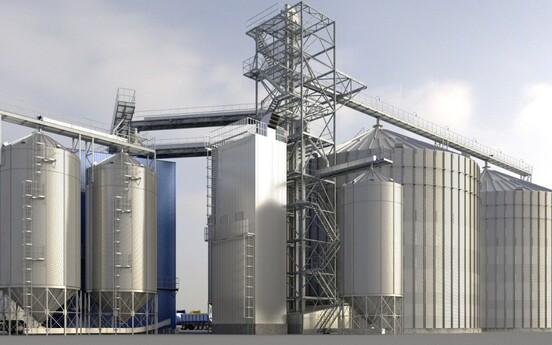
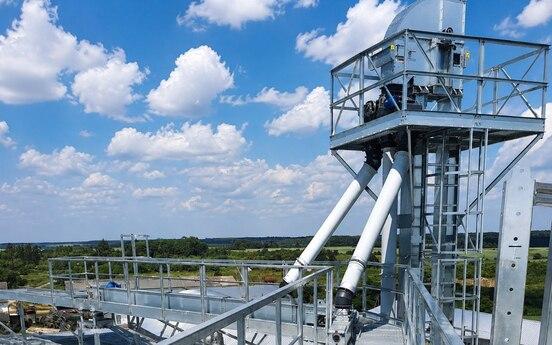
Therefore, the grain cleaning unit actually includes the separator, product conveying equipment, and a system for handling the resulting fractions.
When Are Additional Separation Methods Required?
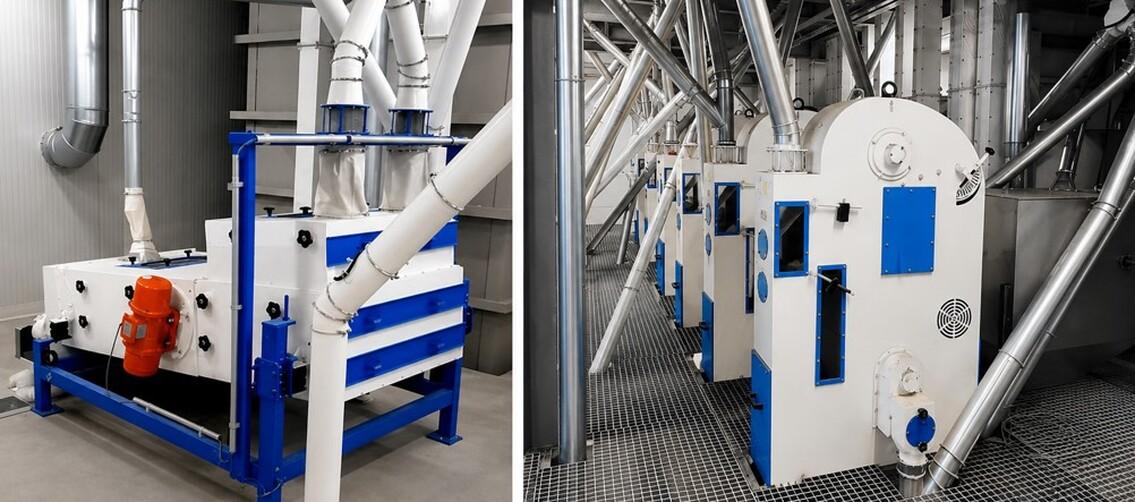
For facilities with higher product quality requirements, the process flow may include additional equipment:
- indented cylinder separators for separation by kernel length;
- optical sorters for final-stage optical sorting.
Such solutions are primarily used at grain processing facilities, where raw material parameters must meet stricter requirements before processing.
Conclusion
The selection of a separator begins with defining the technological task.
It is necessary to determine:
what needs to be separated → by which property → from what raw material → at which process stage → at what required capacity → where the resulting fractions will be directed.
Only after these parameters have been defined can the type and specifications of the equipment be properly selected.
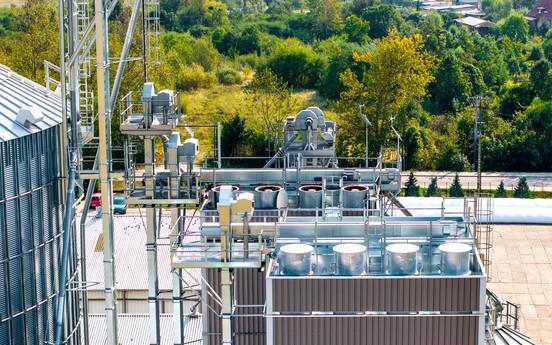
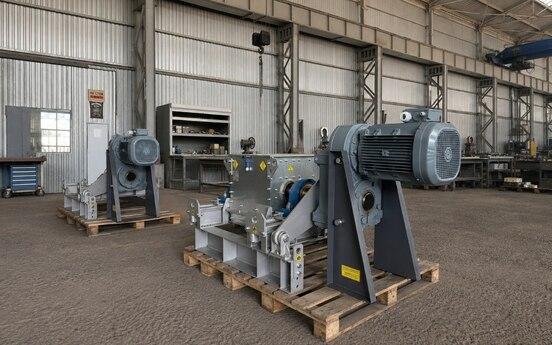
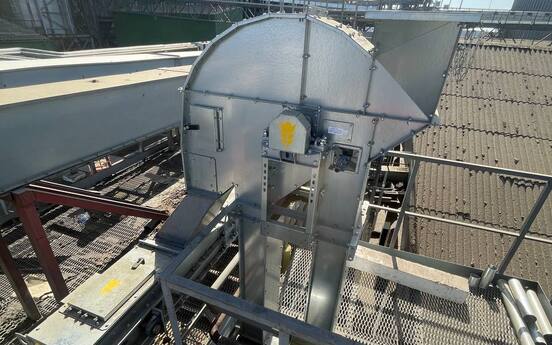
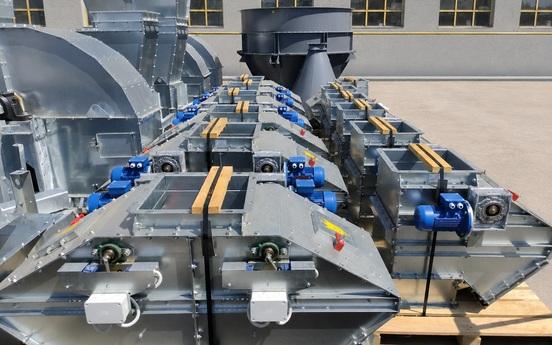
The article includes photos of separators provided by our partners, Olis LLC and Agro-Simo-Mashbud.