Preliminary Grain Cleaning: Why a Scalper Is Essential for Stable Processing Line Operation
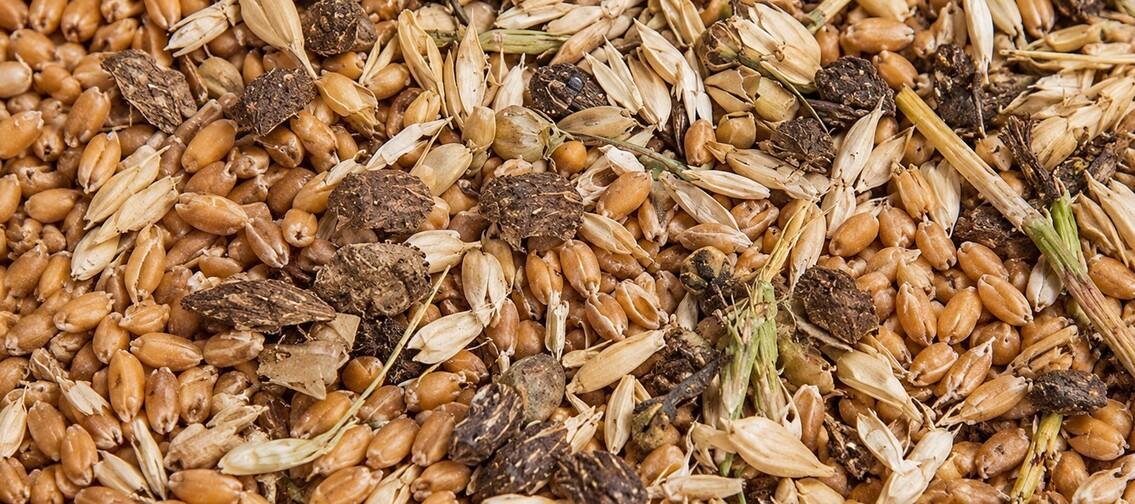
Large foreign impurities in grain are not just a matter of raw material quality. Straw, stems, corn cob fragments, clods of soil, and other foreign materials can cause blockages in conveying systems, disrupt grain dryer operation, and damage downstream processing equipment.
Therefore, grain preparation does not necessarily begin with comprehensive cleaning, but rather with assessing which impurities need to be removed first. One solution for this purpose is a rotary drum scalper.
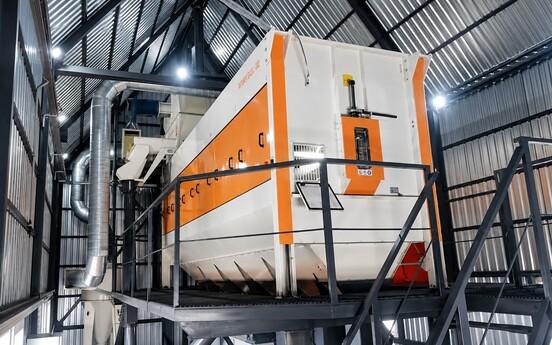
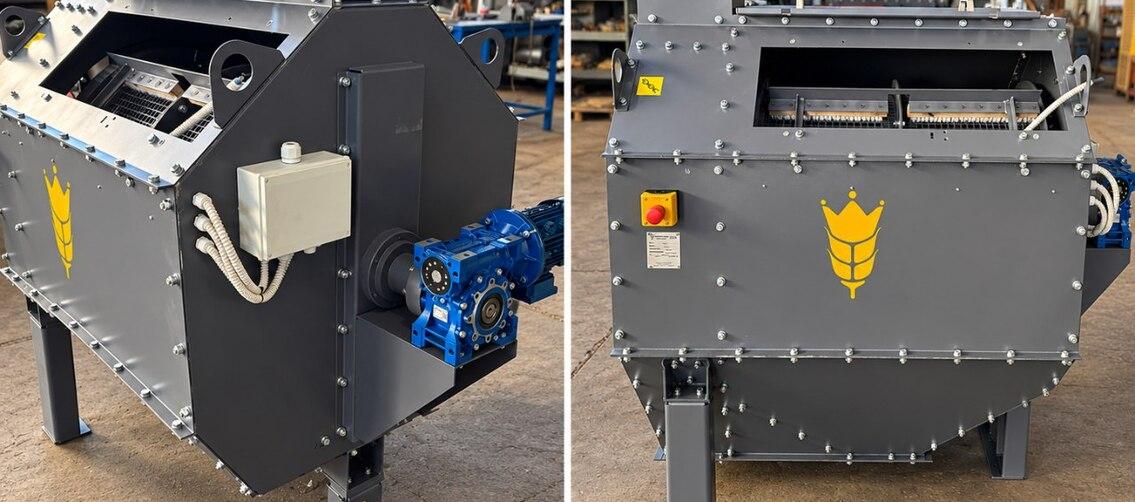
Grain Capital manufactures ZEO-SKL rotary drum scalpers with capacities of up to 200 t/h, designed for preliminary cleaning of grain and oilseed crops by removing large foreign impurities.
Why Is One Separator Not Always Enough?
Modern grain cleaning separators can remove various types of impurities, including large, small, and light fractions. However, when handling high grain flow rates, large foreign materials can place additional strain on cleaning equipment, cause sieve clogging, and disrupt the consistent flow of grain.
Preliminary cleaning allows these tasks to be distributed across separate processing stages. The scalper removes coarse impurities, after which the grain, if necessary, undergoes further separation to achieve the required quality standards.
This approach is particularly relevant for facilities where maintaining continuous intake of large volumes of raw materials and protecting downstream processing equipment are essential.
However, installing two machines is not necessary for every facility. If the separator already provides the required level of cleaning and is designed to handle the types of impurities present in the raw material, a separate scalper may be unnecessary. Conversely, if only large foreign materials need to be removed, full-scale separation at this stage may not be justified.
Where Are Scalpers Most Commonly Used?
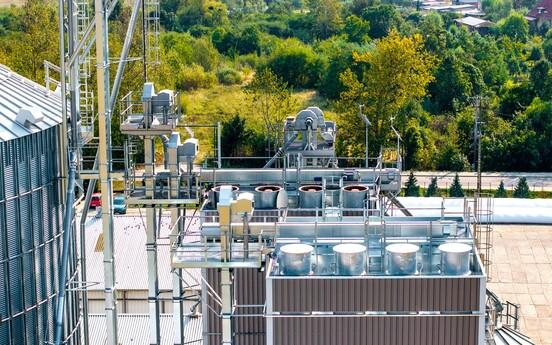
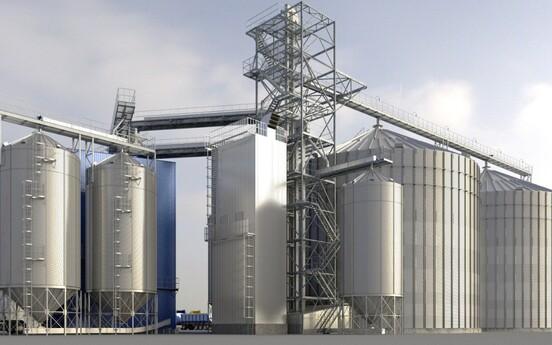
At grain elevators, scalpers are typically installed upstream of grain dryers. Removing large plant residues helps prevent their accumulation in dryer components and ensures a more consistent flow of grain.
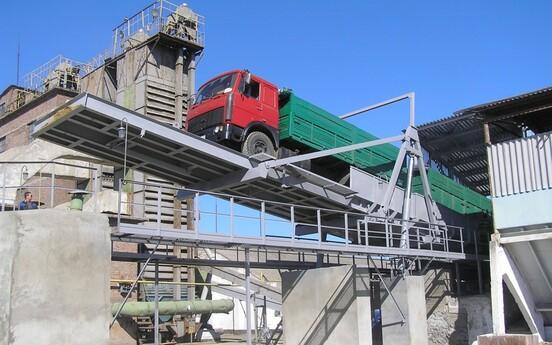
At oil extraction and grain processing facilities, a scalper can be installed downstream of the truck receiving station to protect conveying systems and subsequent processing sections.
Modern harvesting equipment already provides initial grain cleaning in the field. According to observations by Grain Capital process engineers, the impurity content in some grain batches may be as low as 2–3%. However, even when the overall impurity level is relatively low, large foreign objects remain a potential threat to equipment.
Therefore, when designing a processing line, it is important to assess not only the amount of impurities but also their composition, size, and potential impact on the technological process.
ZEO-SKL: Designed for Reliable Operation
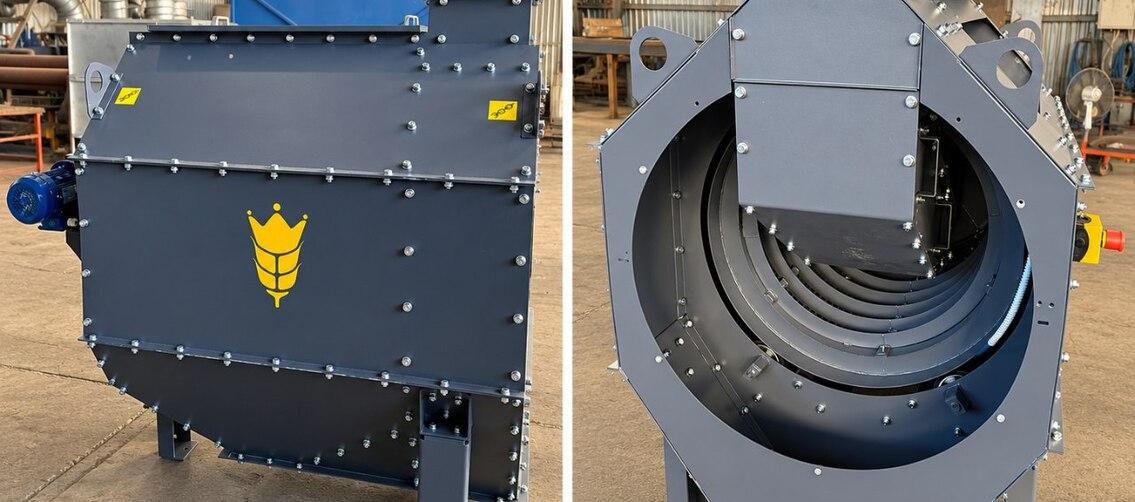
The Grain Capital rotary drum scalper is built around a screening drum that rotates inside a steel housing. Grain enters through the inlet: the main product passes through the screen openings, while large foreign materials are retained and discharged separately.
A helical blade is installed at the discharge end of the drum to move the separated impurities toward the outlet.
Particular attention has been paid to ease of operation and maintenance. Brush cleaners with adjustable pressure help prevent screen clogging, while bolted screen panels and maintenance covers provide access to working components for replacement.
The equipment is also fitted with safety sensors that automatically shut off the drive when protective covers are removed, as well as an emergency stop device.
ZEO-SKL scalpers are used for cleaning wheat, corn, soybeans, and other crops, depending on the characteristics of the raw material and the requirements of the processing line.
Grain Cleaning Is Not Enough: Impurity Removal Must Also Be Planned
When integrating a scalper into a process flow diagram, it is essential to plan the subsequent handling of separated waste. A dedicated route must be provided to transport this waste to a collection point or an appropriate conveying system. For more information on organizing these and other process flows, read our article "Grain Elevator Process Flow Diagram: What to Consider Beyond Grain Movement".