How to Select a Bucket Elevator for Real Operating Conditions
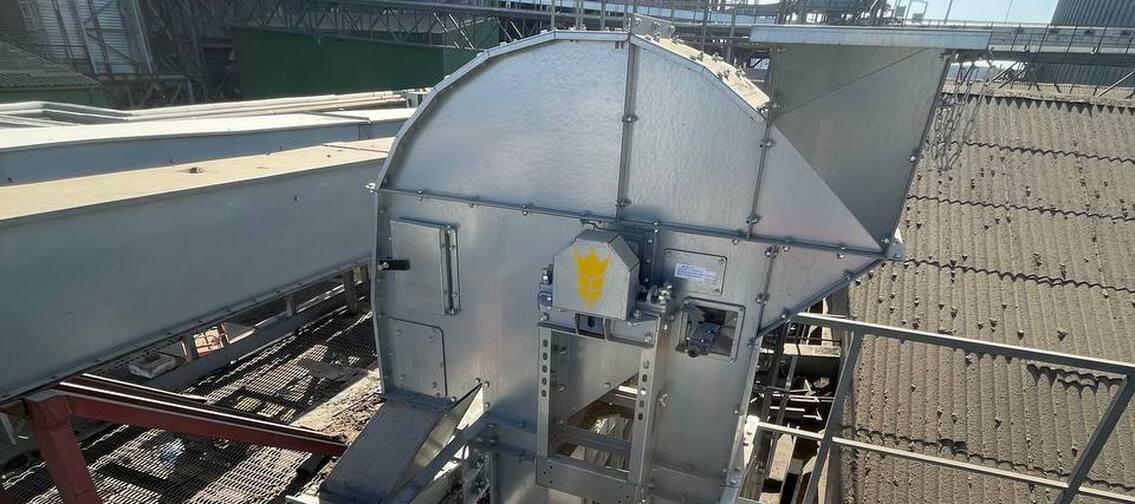
Bucket elevators with the same capacity can differ significantly in dimensions, drive power, and design. This does not mean that a larger and heavier model is automatically more reliable. What matters is how accurately the equipment matches the handled material, lifting height, conveying capacity, and the planned operating intensity.
Reliability Starts with Proper Engineering
The performance of a bucket elevator depends on the proper coordination of all its components:
- belt width and speed;
- bucket shape, capacity, and spacing;
- loading and discharge geometry;
- correct drive selection;
- monitoring and protection systems.
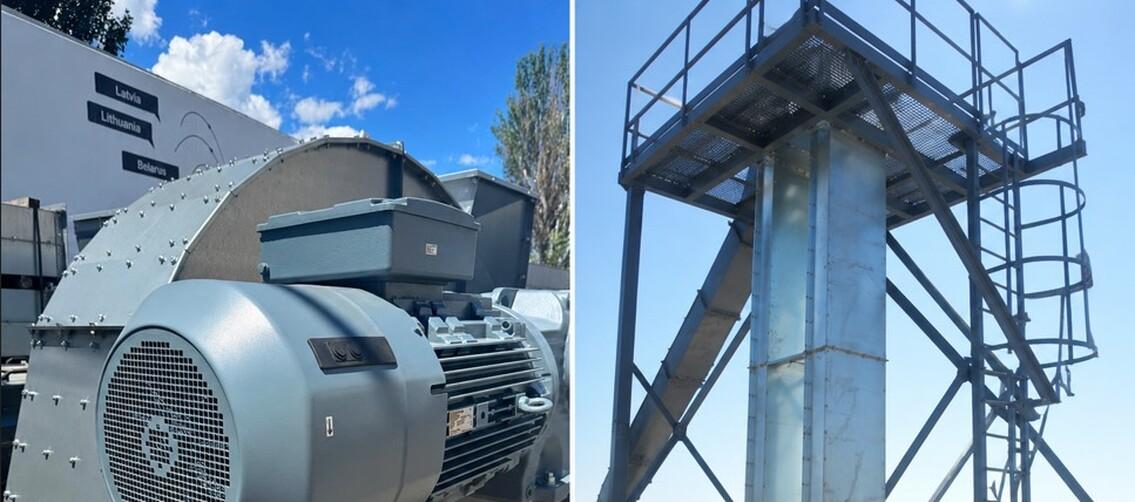
Excessive motor power or unnecessarily oversized equipment does not guarantee better performance. Instead, it increases equipment cost, energy consumption, and long-term operating expenses.
For ZEO-BE bucket elevators, the required safety margin and capacity are determined through engineering calculations based on the actual operating conditions of the facility.
How to Preserve Grain Quality
The design of a bucket elevator affects not only its conveying capacity but also the level of grain damage.
If the discharge trajectory is not properly engineered, part of the grain may fall back into the casing, re-enter the buckets, and be subjected to additional impacts. That is why the head section geometry, belt speed, and proper product flow are critical.
Grain Capital bucket elevators feature:
- a squirrel-cage drive drum that reduces the risk of grain being trapped between the belt and the drum;
- polymer buckets for gentler handling of the product;
- wear liners in high-abrasion areas;
- variable frequency drive (VFD) speed control for crops sensitive to mechanical damage.
For processing facilities, a self-cleaning boot design is also available to reduce product residue and simplify switching between different crops.
Three ZEO-BE Series
Grain Capital offers three bucket elevator series designed for different operating conditions.
F-series — 20–100 t/h
Designed for farms, mini grain elevators, and individual processing lines operating on a seasonal or moderate duty cycle.
L-series — 100–250 t/h
Designed for small and medium-sized commercial grain elevators operating regularly throughout the year.
P-series — 200–600 t/h
Designed for large grain terminals and port facilities requiring high-capacity, continuous operation.
The capacity ranges partially overlap because the series differ not only in throughput but also in structural design, service life, and allowable operating duty.
For food-processing plants and oilseed crushing facilities, bucket elevators are often manufactured from stainless steel, which is corrosion-resistant and complies with strict hygienic requirements.
Where gentle product handling or conveying of high-temperature materials is required, the belt is replaced with a chain drive. This allows the elevator to operate at lower speeds using gravity discharge, whereas belt bucket elevators typically operate with centrifugal discharge.
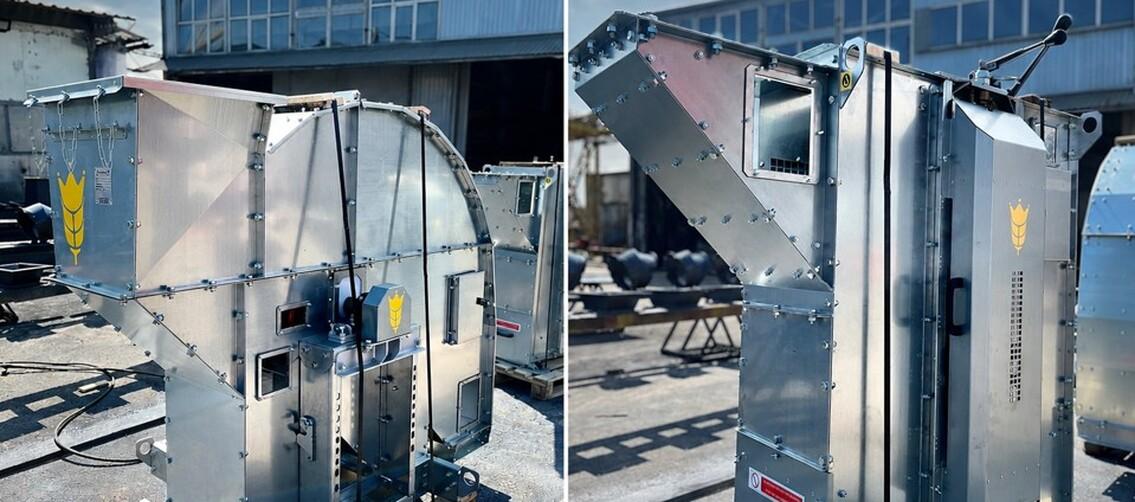
Equipment Designed for Your Specific Application
Selecting the right bucket elevator does not start with the highest motor power or the widest belt. It begins with evaluating the material characteristics, lifting height, conveying capacity, operating hours, and grain preservation requirements.
Based on these parameters, Grain Capital engineers select the most suitable bucket elevator design—without unnecessary oversizing, while ensuring the required level of reliability and service life.